
Comprehensive technical exploration of the challenges in targeting ion channels with antibodies, their structural...
Blog Search
Latest posts
View all →-
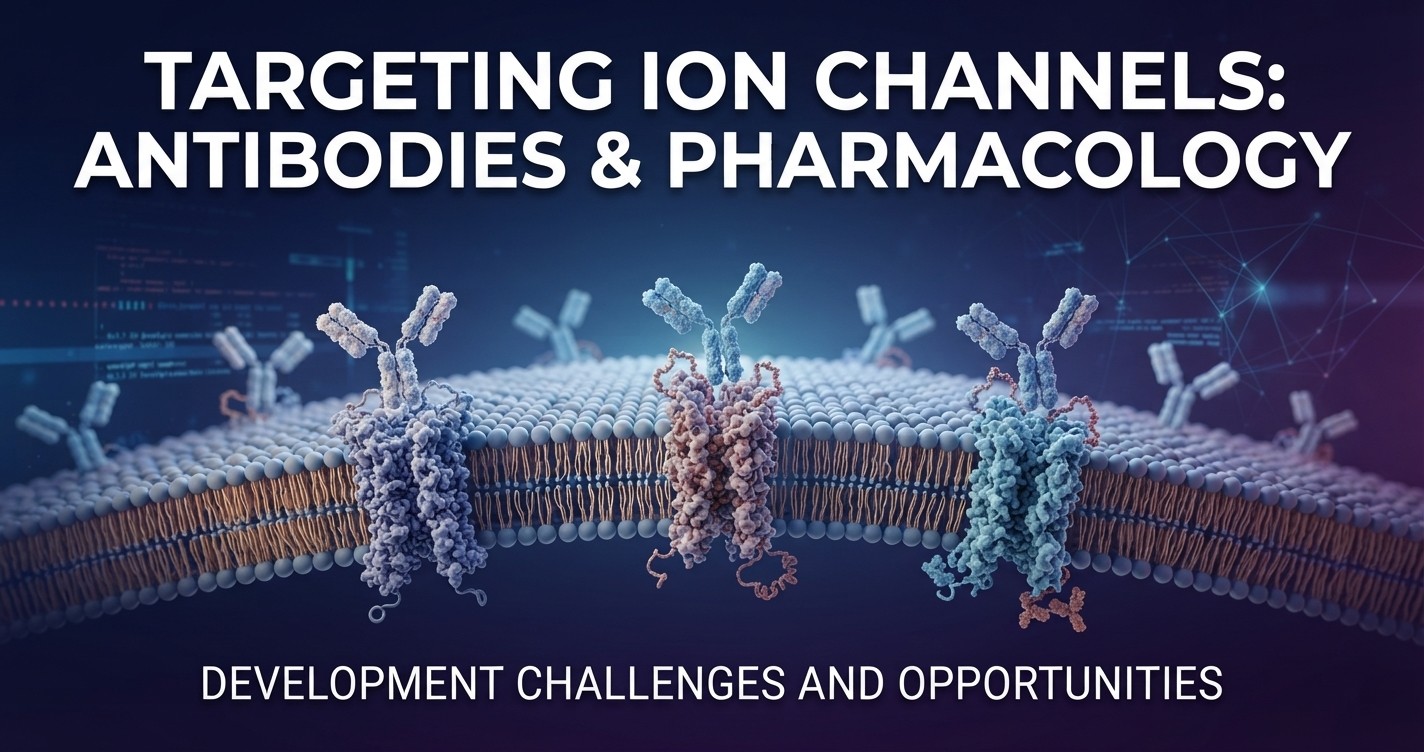 Ion channels as therapeutic antibody targets: development challenges and opportunitiesRead more ...
 -
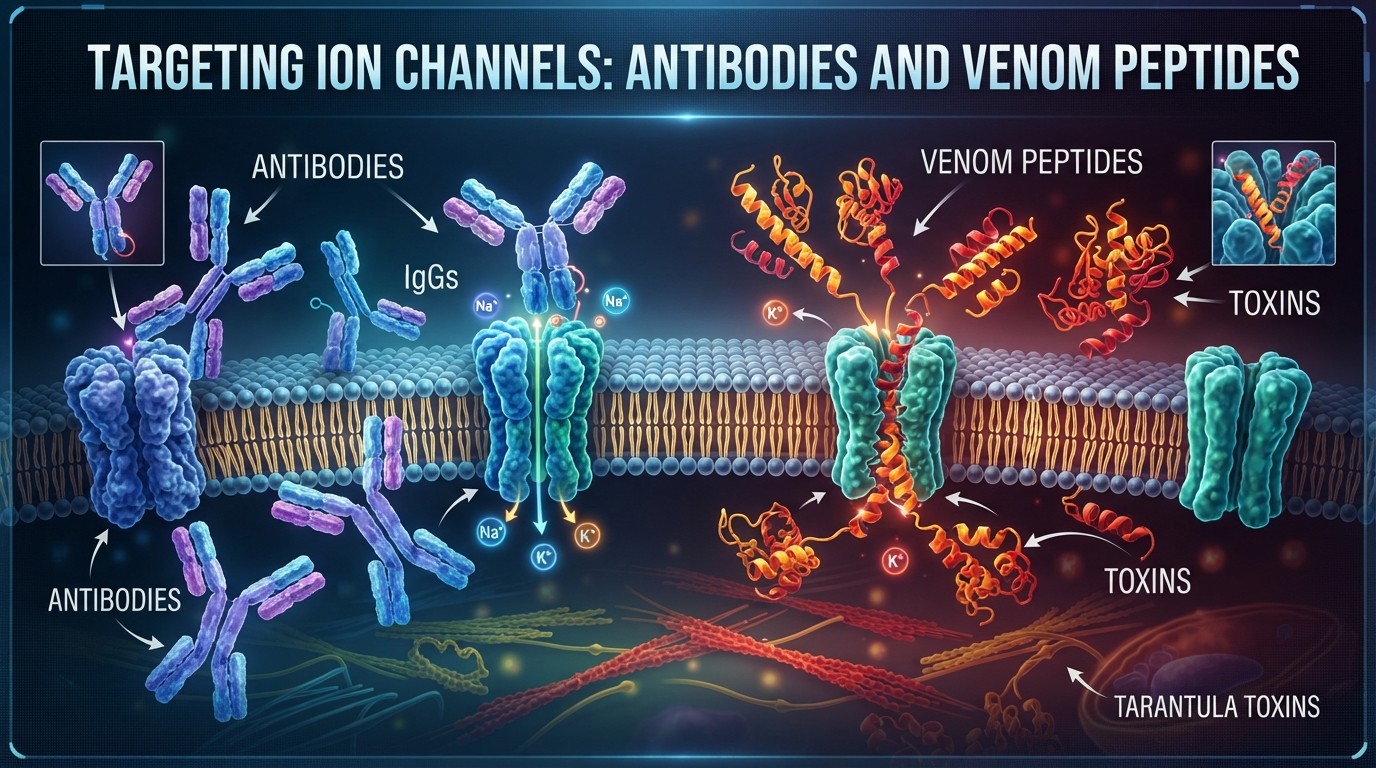 Antibodies and Venom Peptides: New Tools to Target Ion ChannelsRead more ...
Ion channels play fundamental roles in both excitable and non-excitable tissues, making them attractive molecular...
-
 RNA ELISA Kits: Laboratory Principles, Workflow Innovations, and Analytical ApplicationsRead more ...
Explore the comprehensive technical framework of RNA ELISA kits, detailing modern innovations in sensitivity,...
-
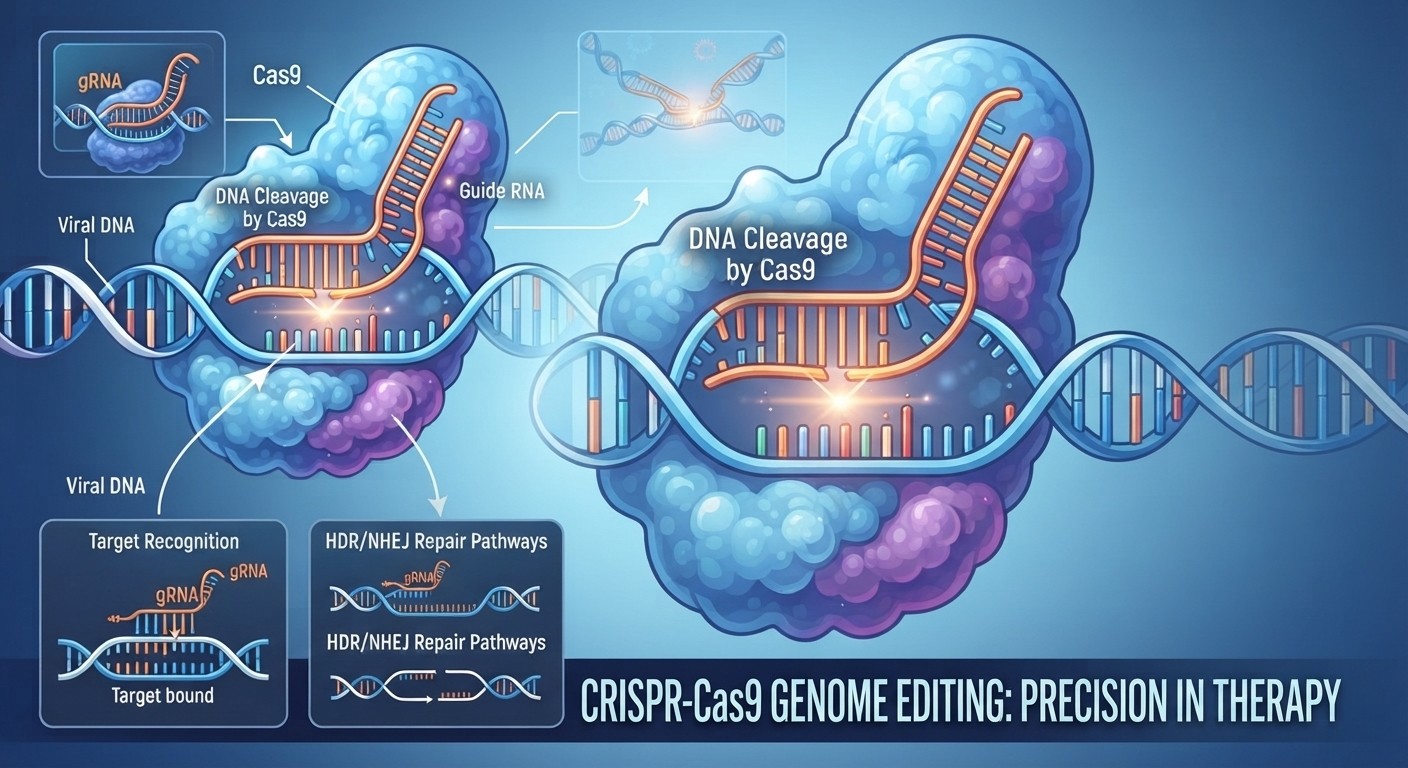 Translational HIV Therapy: Overcoming Resistance via Gene KnockoutRead more ...
Explore advanced translational research on overcoming viral escape mutations, targeting CCR5 host receptors, and...
-
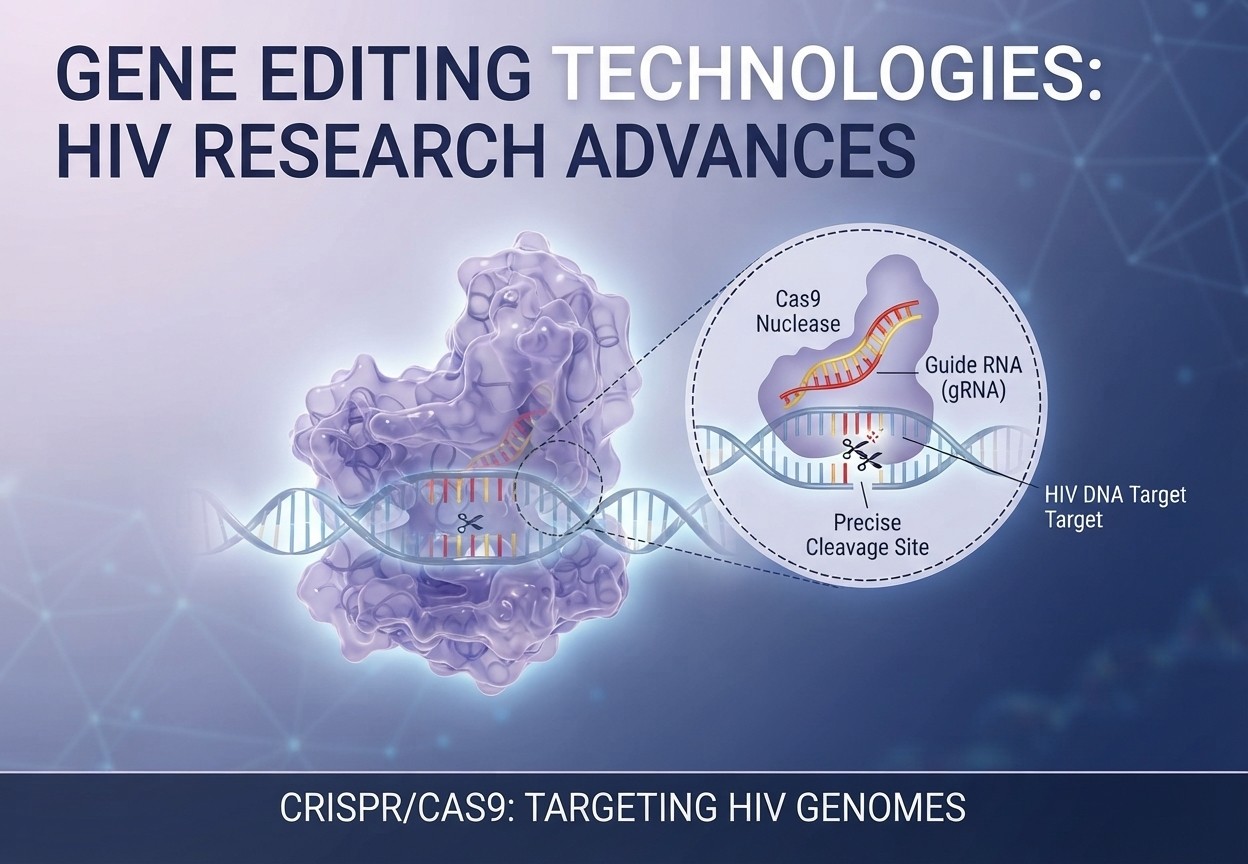 Gene Editing Technologies in HIV Research: Mechanisms & ApplicationsRead more ...
Discover how CRISPR/Cas9 and molecular gene editing tools are utilized in HIV research to target viral DNA, suppress...
Popular posts
-
RNA ELISA Kits: Laboratory Principles, Workflow Innovations, and Analytical ApplicationsExplore the comprehensive technical framework of RNA ELISA kits, detailing modern innovations in sensitivity,...Read more ...
-
Ion channels as therapeutic antibody targets: development challenges and opportunitiesComprehensive technical exploration of the challenges in targeting ion channels with antibodies, their structural...Read more ...
-
Antibodies and Venom Peptides: New Tools to Target Ion ChannelsIon channels play fundamental roles in both excitable and non-excitable tissues, making them attractive molecular...Read more ...
-
Translational HIV Therapy: Overcoming Resistance via Gene KnockoutExplore advanced translational research on overcoming viral escape mutations, targeting CCR5 host receptors, and...Read more ...
-
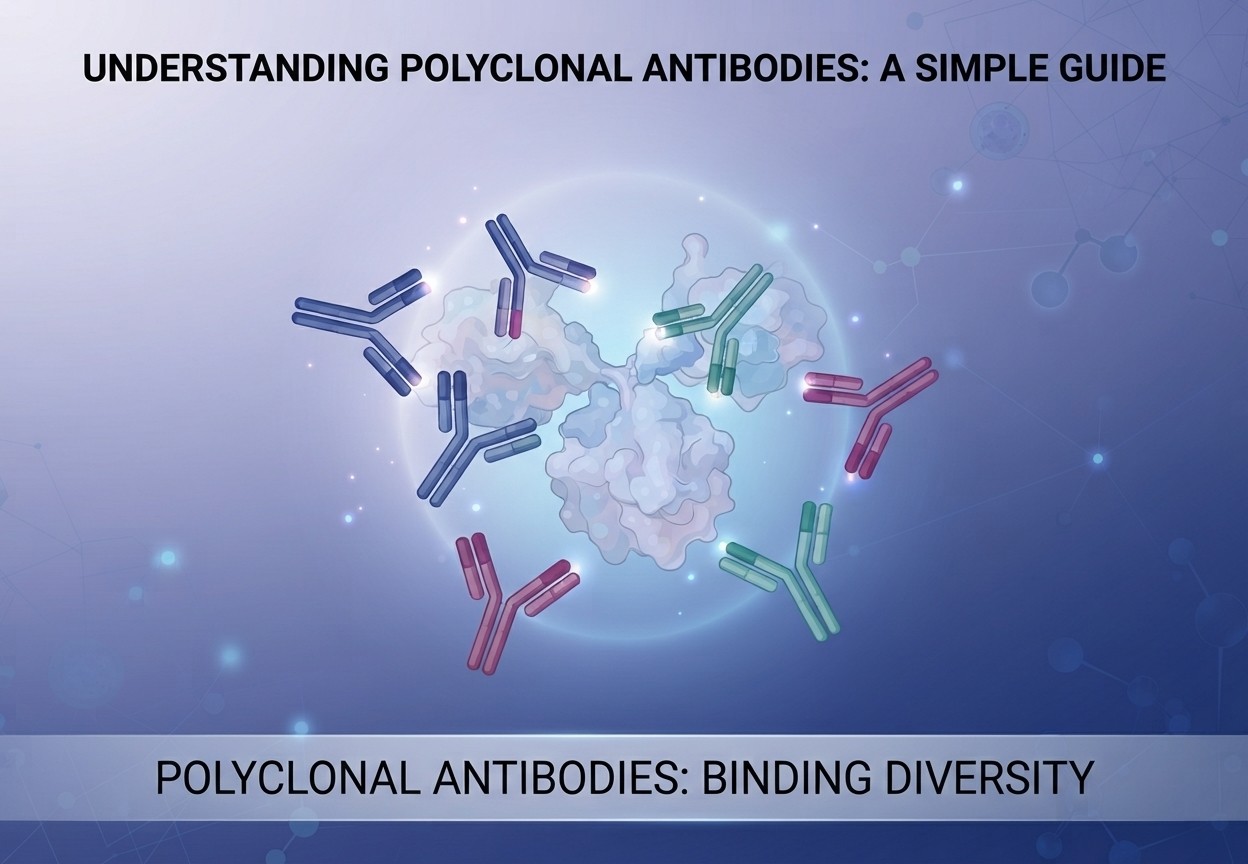 Understanding Polyclonal Antibodies: A Simple GuideDiscover what polyclonal antibodies are, how they are produced in the laboratory, their main applications, and key...Read more ...
Featured posts
-
Ion channels as therapeutic antibody targets: development challenges and opportunitiesComprehensive technical exploration of the challenges in targeting ion channels with antibodies, their structural...Read more ...
-
Antibodies and Venom Peptides: New Tools to Target Ion ChannelsIon channels play fundamental roles in both excitable and non-excitable tissues, making them attractive molecular...Read more ...
-
RNA ELISA Kits: Laboratory Principles, Workflow Innovations, and Analytical ApplicationsExplore the comprehensive technical framework of RNA ELISA kits, detailing modern innovations in sensitivity,...Read more ...
-
Translational HIV Therapy: Overcoming Resistance via Gene KnockoutExplore advanced translational research on overcoming viral escape mutations, targeting CCR5 host receptors, and...Read more ...
-
Gene Editing Technologies in HIV Research: Mechanisms & ApplicationsDiscover how CRISPR/Cas9 and molecular gene editing tools are utilized in HIV research to target viral DNA, suppress...Read more ...
Blog tags
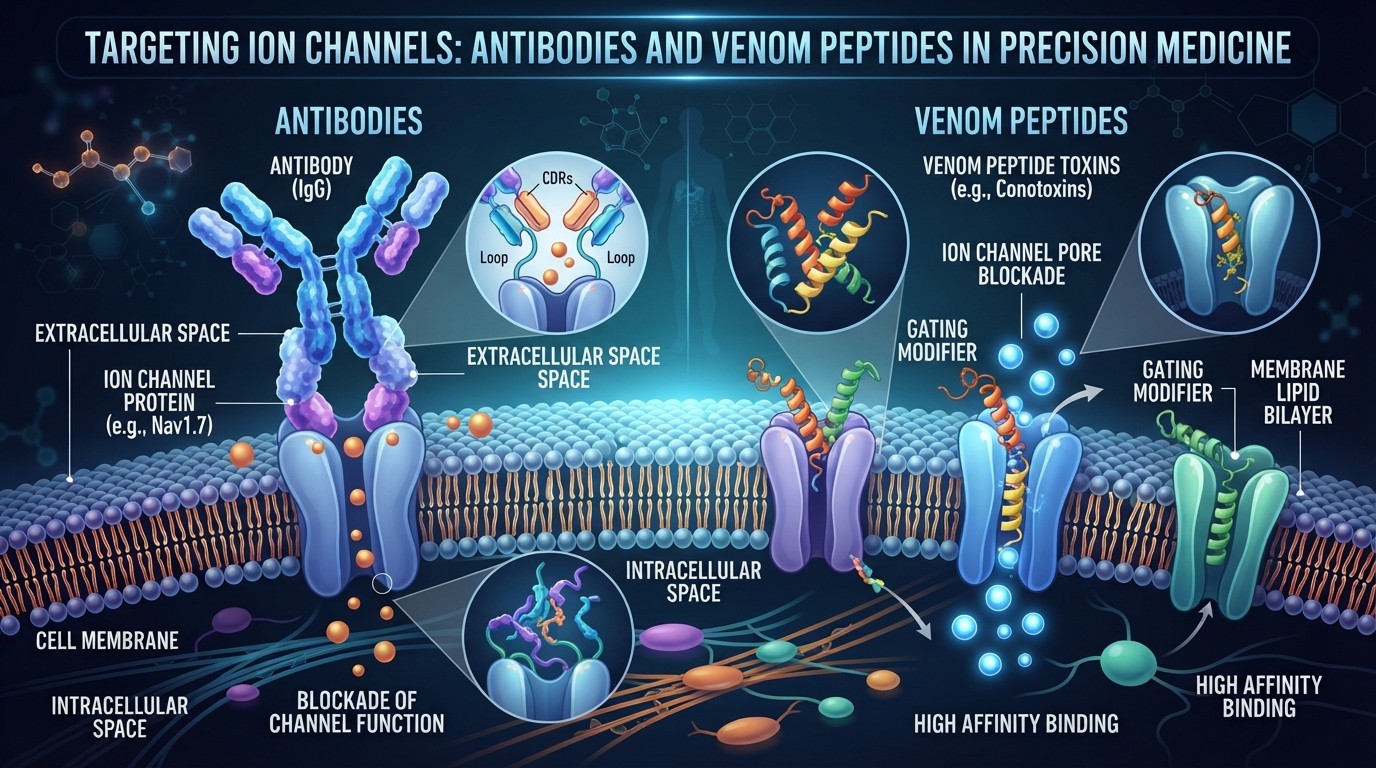
Antibodies and Venom Peptides: New Tools to Target Ion Channels
Advanced Biological Modalities for Ion Channel Research: Engineering Antibodies and Peptides
Transmembrane ion channels orchestrate essential electrical and chemical signaling cascades across both excitable and non-excitable cell lineages. Investigating these complex macromolecular systems requires sophisticated molecular tools that can accurately distinguish between closely related channel subtypes without inducing cross-reactivity.
Structural Homology and the Limitations of Small Molecules
The primary hurdle in ion channel assay development stems from the high degree of structural homology found within conserved pore-forming domains. Traditional low-molecular-weight inhibitors frequently lack the spatial definition required for subtype selectivity, binding broadly across multiple channel variants and introducing experimental noise into in vitro screening protocols.
Venom-Derived Peptides as High-Affinity Pharmacological Probes
Nature has refined complex combinatorial libraries of disulfide-bonded peptide toxins within venomous species, offering exceptional binding affinity toward specific channel vestibules. Modern laboratory workflows utilize targeted chemical modifications—such as backbone stabilization, site-directed mutagenesis, and biopolymer conjugation—to optimize these peptide structures for stability and precise molecular interaction.
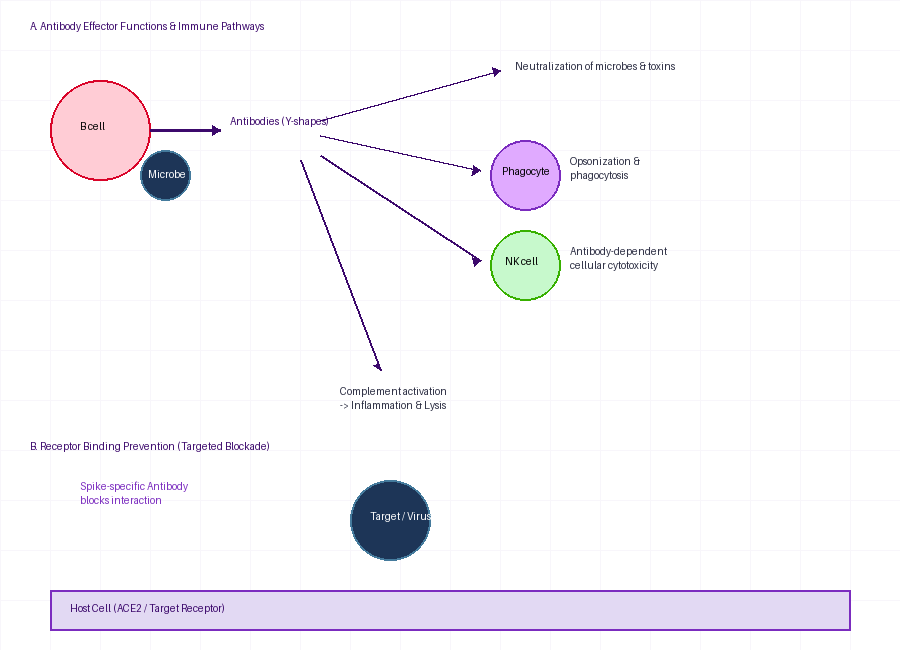
Figure 1: Comprehensive overview of antibody-mediated mechanisms, illustrating effector functions (A) and targeted spike protein neutralization preventing host cell receptor entry (B).
Detailed Analysis of Antibody Effector Mechanisms and Neutralization
As outlined in the schema above, immunoglobulin pathways operate through diverse modes of action critical for both natural immunity and targeted biological engineering:
- Neutralization & Opsonization: Free antibodies directly coat microbes or toxins to block active sites, while opsonization facilitates recognition by phagocytes via Fc receptors.
- Cellular Cytotoxicity & Complement Activation: Engagement with Natural Killer (NK) cells triggers antibody-dependent cellular cytotoxicity (ADCC), alongside direct complement pathway activation leading to inflammation and microbial lysis.
- Receptor Blockade (Spike Inhibition): Specific immunoglobulins targeted against viral surface structures (such as spike glycoproteins) physically hinder binding domains, blocking interaction with host cell receptors like ACE2 to prevent infection.
Immunoglobulin Scaffolds and Nanobody Technologies
Beyond natural toxins, recombinant antibody engineering has unlocked custom binding solutions. Single-domain antibodies (nanobodies), Fab fragments, and conventional monoclonals are increasingly tailored to recognize unique conformational epitopes on the extracellular loops of integral membrane proteins, providing robust alternatives for high-throughput screening and biophysical characterization.
Key Experimental Targets in Current Screening Workflows
- P2X7 Receptor: Trimeric, ATP-gated architecture investigated through specialized monoclonal binding formats.
- KV1.3 Voltage-Gated Potassium Channel: Evaluated using custom blocking antibodies and peptide ligands to study channel gating mechanisms.
- NaV1.7 Voltage-Gated Sodium Channel: Explored via selective inhibitory probes designed to map outer pore interactions.
Targeted Reagents for Translational Research
- P2X7 Purinoceptor, Monoclonal Antibody
- Voltage-Gated Potassium Channel KV1.3, Recombinant Protein
- Voltage-Gated Sodium Channel NaV1.7, ELISA Kit
- Purinergic Receptor P2X7, ELISA Kit
- Anti-Ion Channel Biologics Screening Panel
References
- Alexander SP, et al. THE CONCISE GUIDE TO PHARMACOLOGY 2017/18: overview. 2017. Br J Pharmacol, 174 (Suppl. 1): S1–S16. [PubMed/NCBI]
- Alexander SP, et al. THE CONCISE GUIDE TO PHARMACOLOGY 2017/18: voltage-gated ion channels. 2017. Br J Pharmacol, 174 (Suppl. 1): S160–S194. [PubMed/NCBI]
- Alexander SP, et al. THE CONCISE GUIDE TO PHARMACOLOGY 2017/18: ligand-gated ion channels. 2017. Br J Pharmacol, 174 (Suppl. 1): S130–S159. [PubMed/NCBI]
- Santos R, et al. A comprehensive map of molecular drug targets. 2017. Nat Rev Drug Discov, 16: 19–34. [PubMed/NCBI]
- Sakmann B, Neher E. Patch clamp techniques for studying ionic channels in excitable membranes. 1984. Ann Rev Physiol, 46: 455–472. [PubMed/NCBI]
- Hille B. Ionic Channels Of Excitable Membranes. 3rd edn. Sinauer Associates. (2001).
- Kaczorowski GJ, McManus OB, Priest BT, Garcia ML. Ion channels as targets: the next GPCRs. 2008. J Gen Physiol, 131 (5): 399–405. [PubMed/NCBI]
- Wulff H, Castle NA, Pardo LA. Voltage-gated potassium channels as therapeutic targets. 2009. Nat Rev Drug Discov, 8: 982–1001. [PubMed/NCBI]
- Patapoutian A, Tate S, Woolf CJ. Transient receptor potential channels: targeting pain at the source. 2009. Nat Rev Drug Discov, 8: 55–68. [PubMed/NCBI]
- Verkman AS, Galietta LJ. Chloride channels as targets. 2009. Nat Rev Drug Discov, 8: 153–171. [PubMed/NCBI]
Leave a comment
Log in to post comments