
Comprehensive technical exploration of the challenges in targeting ion channels with antibodies, their structural...
Blog categories
Blog Search
Latest posts
View all →-
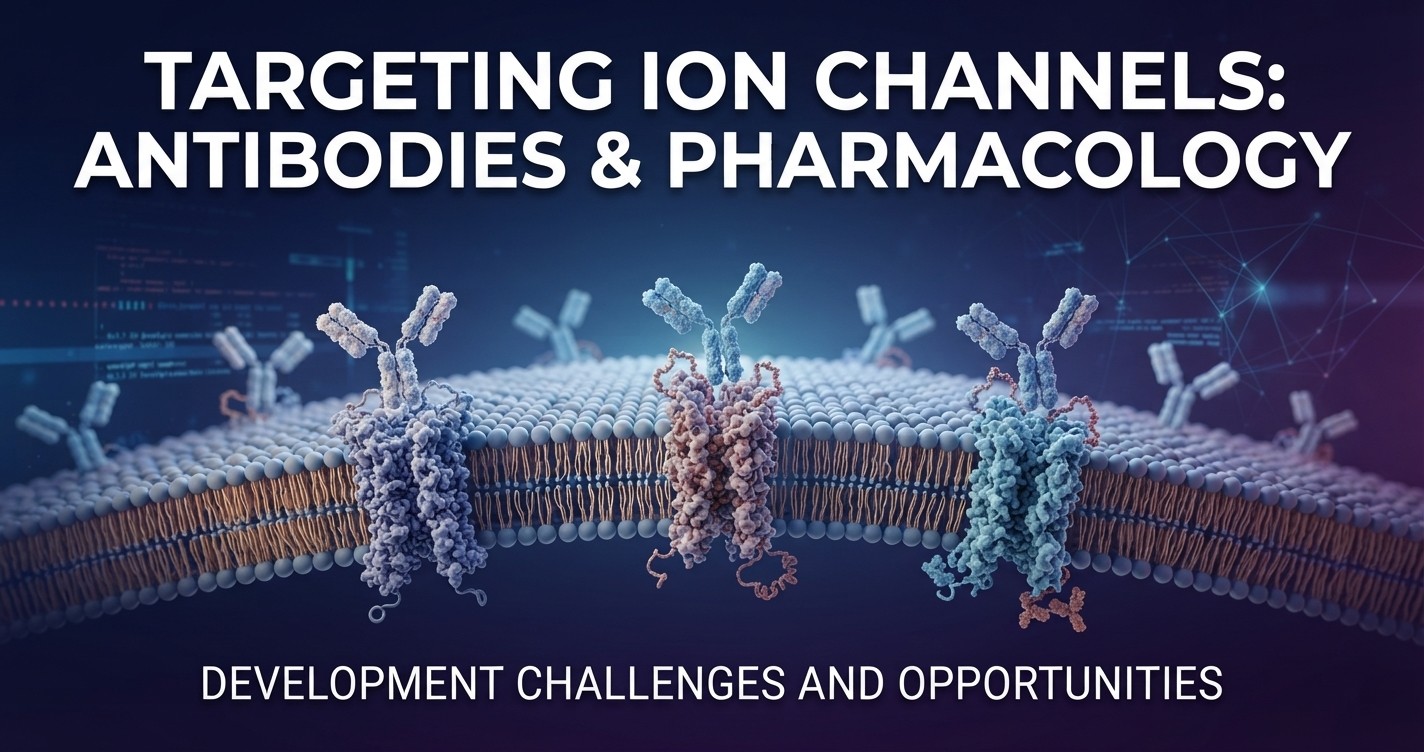 Ion channels as therapeutic antibody targets: development challenges and opportunitiesRead more ...
 -
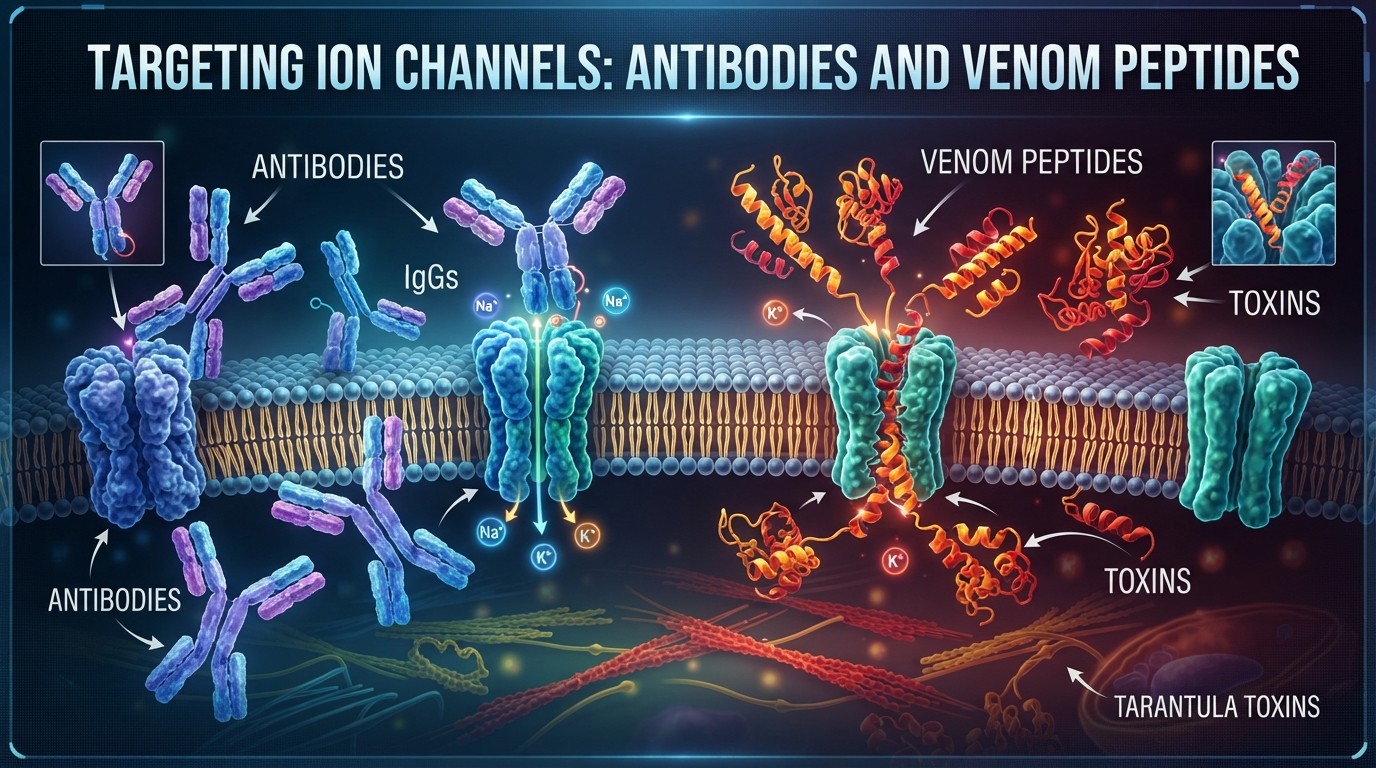 Antibodies and Venom Peptides: New Tools to Target Ion ChannelsRead more ...
Ion channels play fundamental roles in both excitable and non-excitable tissues, making them attractive molecular...
-
 RNA ELISA Kits: Laboratory Principles, Workflow Innovations, and Analytical ApplicationsRead more ...
Explore the comprehensive technical framework of RNA ELISA kits, detailing modern innovations in sensitivity,...
-
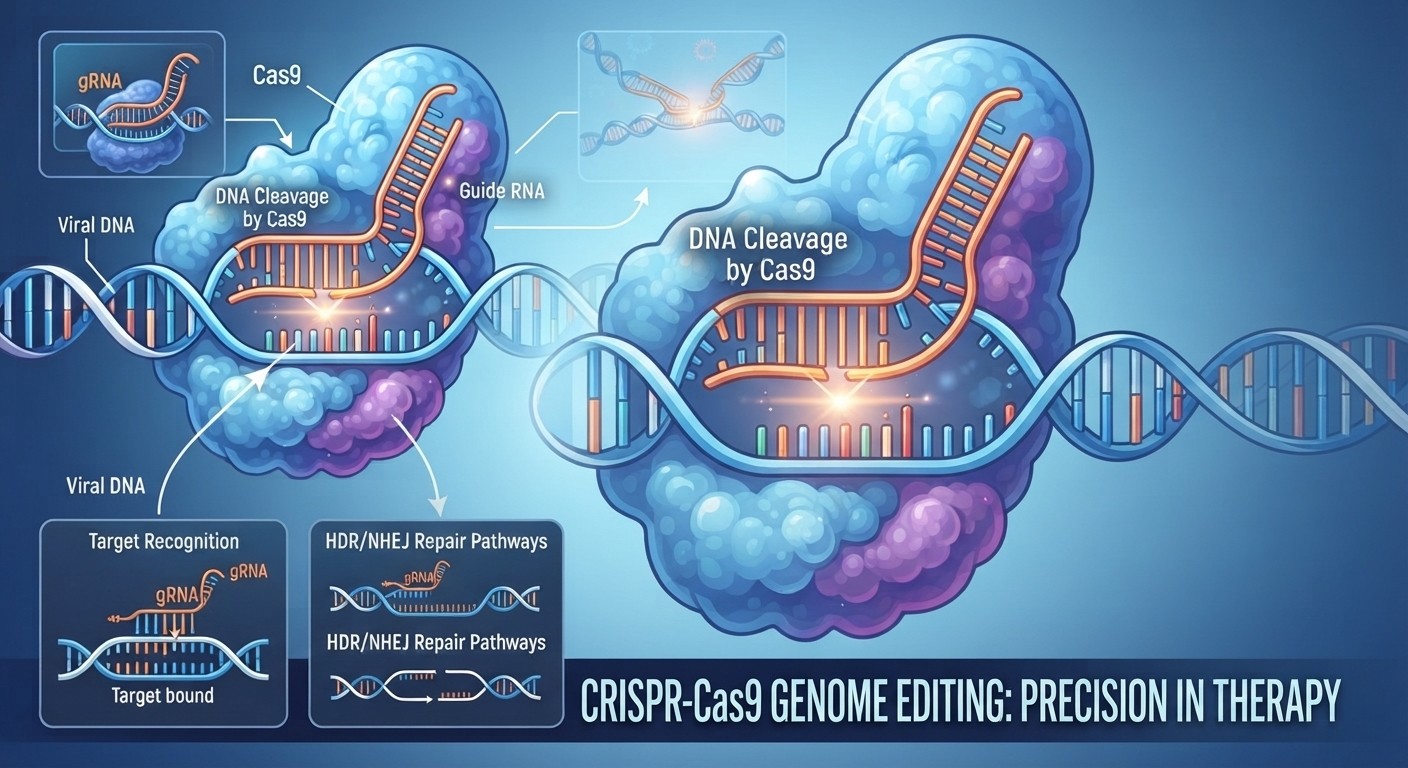 Translational HIV Therapy: Overcoming Resistance via Gene KnockoutRead more ...
Explore advanced translational research on overcoming viral escape mutations, targeting CCR5 host receptors, and...
-
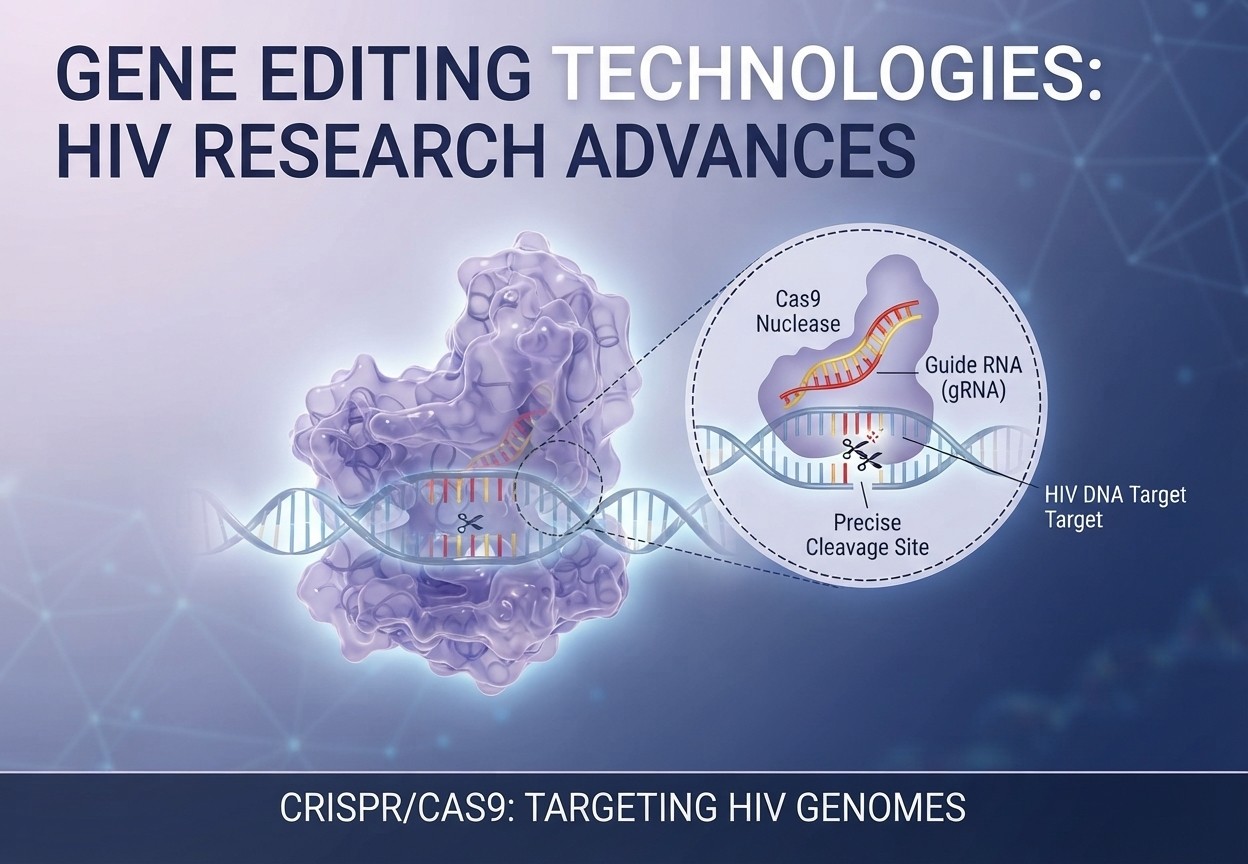 Gene Editing Technologies in HIV Research: Mechanisms & ApplicationsRead more ...
Discover how CRISPR/Cas9 and molecular gene editing tools are utilized in HIV research to target viral DNA, suppress...
Popular posts
-
RNA ELISA Kits: Laboratory Principles, Workflow Innovations, and Analytical ApplicationsExplore the comprehensive technical framework of RNA ELISA kits, detailing modern innovations in sensitivity,...Read more ...
-
Ion channels as therapeutic antibody targets: development challenges and opportunitiesComprehensive technical exploration of the challenges in targeting ion channels with antibodies, their structural...Read more ...
-
Antibodies and Venom Peptides: New Tools to Target Ion ChannelsIon channels play fundamental roles in both excitable and non-excitable tissues, making them attractive molecular...Read more ...
-
Translational HIV Therapy: Overcoming Resistance via Gene KnockoutExplore advanced translational research on overcoming viral escape mutations, targeting CCR5 host receptors, and...Read more ...
-
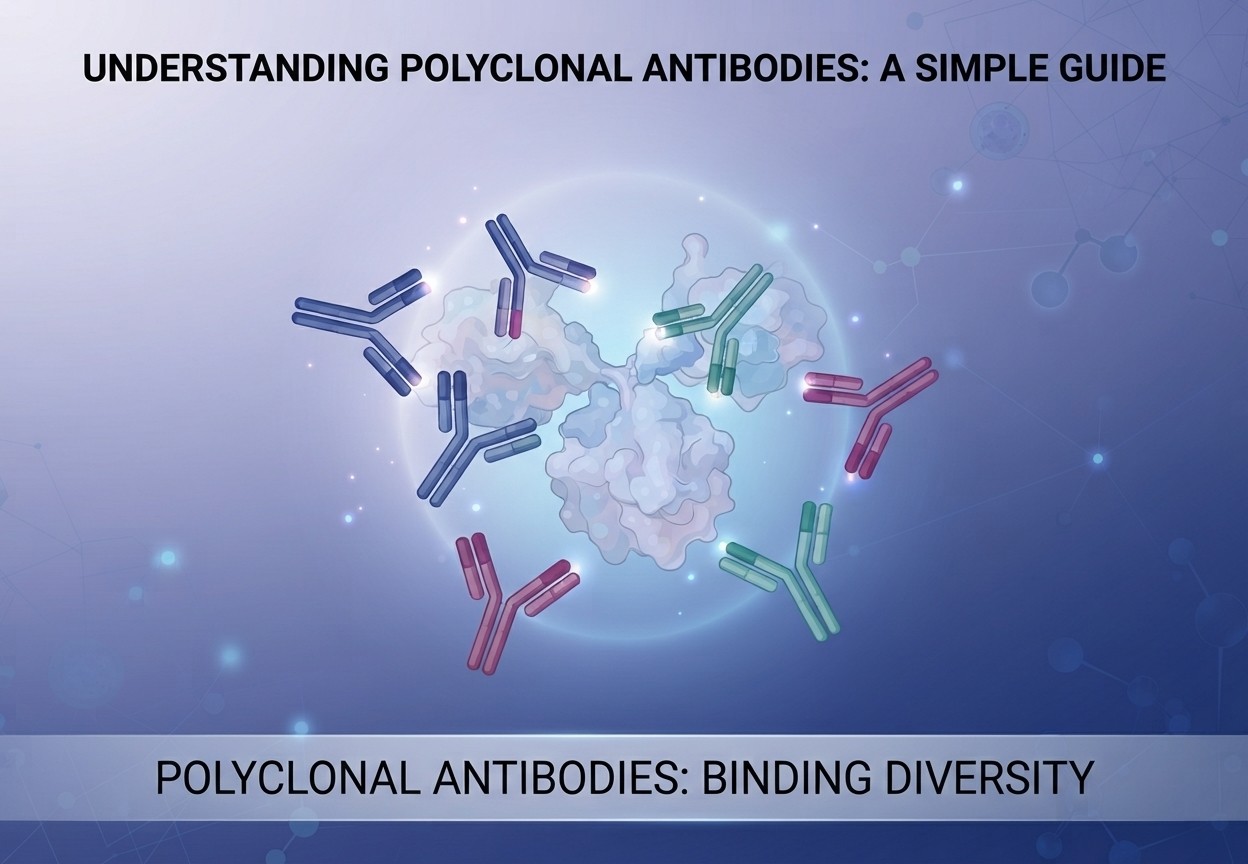 Understanding Polyclonal Antibodies: A Simple GuideDiscover what polyclonal antibodies are, how they are produced in the laboratory, their main applications, and key...Read more ...
Featured posts
-
Ion channels as therapeutic antibody targets: development challenges and opportunitiesComprehensive technical exploration of the challenges in targeting ion channels with antibodies, their structural...Read more ...
-
Antibodies and Venom Peptides: New Tools to Target Ion ChannelsIon channels play fundamental roles in both excitable and non-excitable tissues, making them attractive molecular...Read more ...
-
RNA ELISA Kits: Laboratory Principles, Workflow Innovations, and Analytical ApplicationsExplore the comprehensive technical framework of RNA ELISA kits, detailing modern innovations in sensitivity,...Read more ...
-
Translational HIV Therapy: Overcoming Resistance via Gene KnockoutExplore advanced translational research on overcoming viral escape mutations, targeting CCR5 host receptors, and...Read more ...
-
Gene Editing Technologies in HIV Research: Mechanisms & ApplicationsDiscover how CRISPR/Cas9 and molecular gene editing tools are utilized in HIV research to target viral DNA, suppress...Read more ...
Ion channels as therapeutic antibody targets: development challenges and opportunities
Overview of Ion Channels
Ion channels represent a massive and vital family of membrane proteins encoded by at least 400 genes, accounting for roughly 1.5% of the human genome. Structurally and functionally, they form a major class of membrane targets, just behind G protein-coupled receptors (GPCRs). Historical database records (such as ChEMBL) indicate that approximately 18% of all small molecule compounds interact with ion channels, driving a global commercial market valued at around $12 billion. Despite their established biological validation at the core of numerous physiological states, approved therapeutic agents target only about 8% of this entire protein family after decades of intensive research efforts.
For more information on membrane protein classification and targets, refer to resources from the National Center for Biotechnology Information (NCBI) and the National Institutes of Health (NIH).
At a cellular level, ion channels regulate essential physiological processes by facilitating the rapid, controlled transport of inorganic ions across hydrophobic cell membranes. Structural or functional genetic mutations occurring within a single ion channel-encoding gene frequently trigger severe inherited disorders collectively known as channelopathies. Classic examples include mutations in the cystic fibrosis transmembrane conductance regulator (CFTR) gene leading to functional alterations, or mutations in the SCN9A gene encoding the voltage-gated sodium channel Nav1.7, which are directly linked to sensory and pain variations. Beyond inherited mutations, variations can also be acquired through immune responses where the organism generates autoantibodies against native ion channel proteins.
Historically, modulation of ion channels relied almost exclusively on small organic molecules or natural peptide toxins derived from plants and venomous animals (such as cone snail conotoxins like ziconotide). Although screening libraries have advanced significantly, only two novel small molecule ion channel agents—ivacaftor (Kalydeco) and crofelemer (Mytesi)—have successfully gained US Food and Drug Administration (FDA) approval since the 1990s. Consequently, alternative therapeutic modalities like monoclonal antibodies (mAbs) represent an immense, largely untapped frontier, with very few candidates currently progressing through active global clinical pipelines.
Further reading: Detailed pipeline updates and molecular data can be explored via academic repositories and structural biology consortia such as the RCSB Protein Data Bank.
Comparative Advantages of Targeting Ion Channels with Antibodies
Therapeutic antibodies generally exhibit higher clinical approval success rates compared to traditional small molecule compounds. When directed against ion channels, antibodies provide distinct biochemical and pharmacological advantages:
- Unprecedented Isoform Selectivity: Achieving high target selectivity is one of the steepest hurdles in small molecule design because homologous ion channels often share nearly identical pore-forming domains. Antibodies bypass this obstacle through precise epitope recognition, enabling the specific targeting of distinct variants, such as the non-functional variant of P2X7 (nfP2X7), the neonatal splice variant of Nav1.5 (nNav1.5), or specific Kv11.1B isoforms.
- Superior Pharmacokinetics and Biodistribution: Antibodies display low inter-subject pharmacokinetic variability and significantly extended half-lives, which allows for reduced dosing frequencies. Half-lives can be engineered via FcRn-mediated recycling optimizations or through modifications like pegylation and human serum albumin binding.
- Immune Effector Functions and Conjugation Capabilities: Tailoring the antibody Fc domain allows researchers to harness or eliminate immune effector functions such as antibody-dependent cellular cytotoxicity (ADCC), complement-dependent cytotoxicity, or cellular phagocytosis. Furthermore, antibodies can be chemically conjugated to potent payloads, radioisotopes, or incorporated into chimeric antigen receptor (CAR) technologies to selectively interact with targeted cells.
Sources: See structural and immunological database guidelines from Stanford University and Harvard Medical School for advanced antibody engineering methods.
Technical Obstacles in Ion Channel Antibody Discovery
Despite their theoretical potential, generating functional antibodies against ion channels remains exceptionally challenging due to several inherent biological barriers:
- Adverse Topological Constraints: Many critical targets, such as voltage-gated ion channels (VGICs), possess exceptionally short extracellular loops that feature minimal surface area for epitope binding, lack structural diversity, and are heavily conserved across species, rendering them poorly immunogenic in standard host models.
- Expression and Purification Bottlenecks: Membrane proteins typically express at very low natural abundances, and when forced into recombinant expression systems, they frequently fail to fold correctly or reach the plasma membrane in functional conformations, severely restricting the supply of pure protein needed for immunization and screening.
Despite these technical roadblocks, the natural presence of autoantibodies in subjects suffering from conditions like myasthenia gravis, multiple sclerosis (targeting Kir4.1), Lambert-Eaton Myasthenic Syndrome (VGCC), neuromyotonia, and encephalites proves that robust immune responses against ion channels are entirely possible. Furthermore, because certain autoantibodies trigger receptor internalization, antibody-drug conjugates remain a highly promising therapeutic avenue.
Further reference: Comprehensive insights into membrane protein biochemistry can be reviewed via guidelines from University College London (UCL).
Structural Topology and Extracellular Domain Mapping
Ion channels are categorized by their ion selectivity, gating mechanisms (voltage-gated, ligand-gated, or mechano-sensitive), and sequence homology. The physical size and structural complexity of extracellular domains (ECDs) heavily dictate discovery outcomes:
- Large ECD Channels: Families such as extracellular ligand-gated P2X receptors and acid-sensing ion channels (ASICs) feature massive extracellular domains, offering extensive target surface areas that simplify antibody discovery campaigns.
- Small ECD Channels: Voltage-gated ion channels and transient receptor potential (TRP) channels present exceptionally tiny extracellular loops, representing highly formidable targets.
- The E3 Re-entrant Loop: Located between the fifth (S5) and sixth (S6) transmembrane segments, this specialized re-entrant loop helps maintain the physical ion selectivity filter. Because it is rarely post-translationally modified and exhibits high sequence divergence among subtypes, it serves as an ideal binding site. Polyclonal and monoclonal antibodies directed at the E3 loop of channels like Kv1.2, TRPV1, and Nav1.5 have successfully modulated calcium entry, regulated cellular growth responses, and blocked sodium currents.

Open and closed conformations of ion channels. Source: Adapted from Wikimedia Commons (Efazzari) under CC BY-SA 4.0.
Advanced Antigen Sources and Recombinant Expression Platforms
To bypass natural scarcity and expression toxicity, modern research leverages diverse engineering platforms to produce functional antigens:
- Native Tissue Isolation: Extracting functional ion channels directly from biological sources (such as rodent brains or marine model extracts) and reconstituting them into synthetic proteoliposomes, though limited by complex purification protocols and immune tolerance barriers.
- Mammalian Cell Expression: Utilizing CHO or HEK293 lines to achieve near-native protein folding, though surface yields remain notoriously low and cellular background contaminants complicate isolation.
- Bacterial Chimeric Engineering: Fusing bacterial extracellular domains (like GLIC) to human transmembrane channel regions to facilitate high-yield expression in E. coli, which requires extensive counter-screening to eliminate immunodominant bacterial epitopes.
- Ciliated Protozoan Platforms: Employing specialized organisms like Tetrahymena thermophila, which naturally overexpress thousands of functional membrane channels without metabolic toxicity, achieving high purification yields exceeding 1 mg/L of culture.
- Native Lipid Environment Stabilization (SMALPs and Nanodiscs): Extracting membrane proteins directly within tiny patches of native lipid bilayers using styrene-maleic acid co-polymers (SMALPs) or artificial lipid nanodiscs, completely bypassing harsh chemical detergents that disrupt protein conformation.
- DNA Immunization and Synthetic Peptides: Direct administration of expression plasmid vectors into host animals to drive proper in vivo folding, paired with synthetic or recombinant peptide analogs mimicking extracellular loops.
Reference protocols: Detailed expression methods are outlined in publications from the Institut Pasteur.
Advanced Immunization and Repertoire Mining Strategies
Overcoming the extreme rarity of functional anti-ion channel antibodies requires specialized discovery protocols:
- Breaking Immune Tolerance: Utilizing phylogenetically diverse host species, DNA immunization pipelines, genetic knockout models, and T-helper cell epitopes (such as PADRE) to stimulate robust antibody titers against conserved antigens.
- Deep Repertoire Mining: Replacing traditional, inefficient hybridoma screening with advanced high-throughput single B-cell cloning and deep sequencing technologies to capture rare, valuable antibody clones.
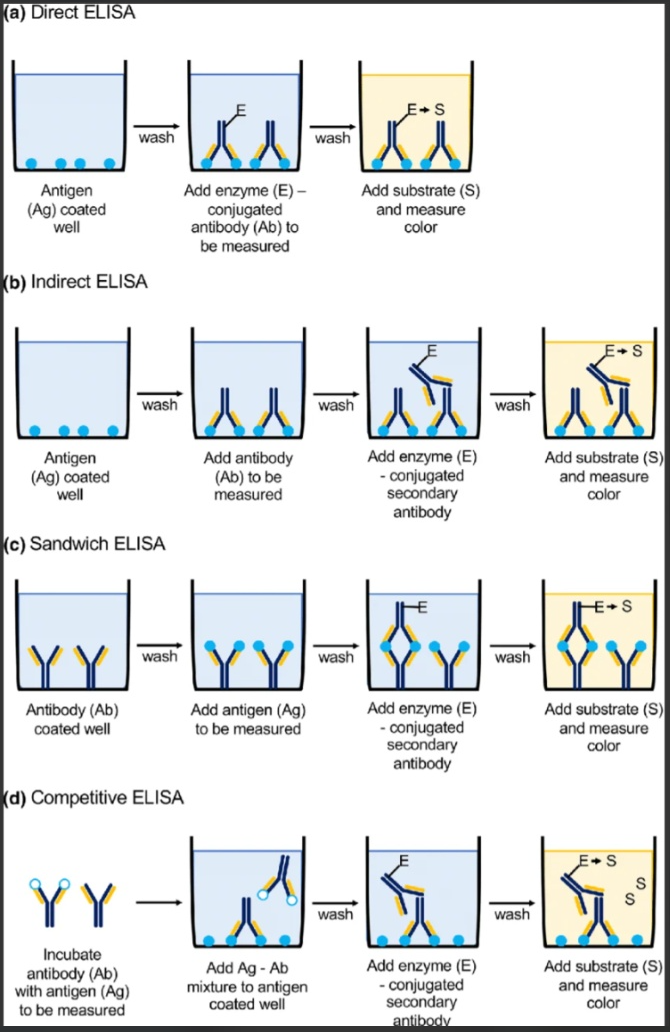
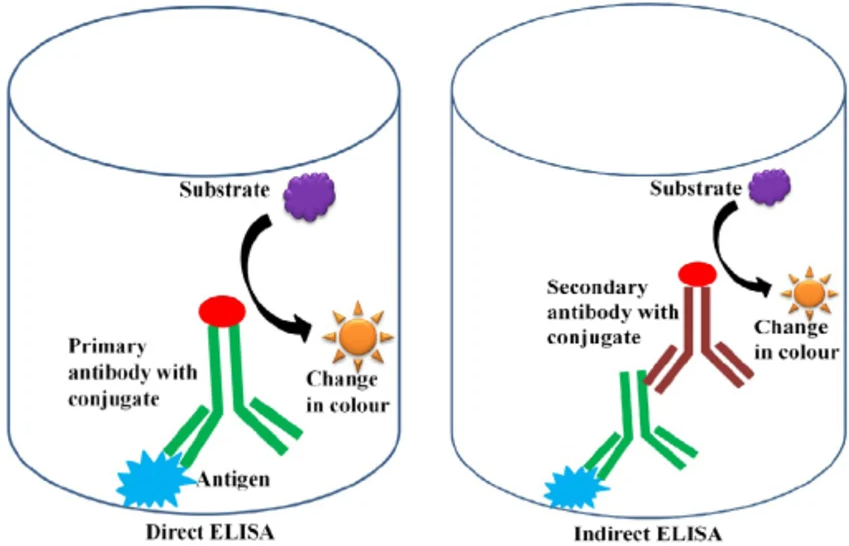
- Functional and Structural Screening: Employing flow cytometry on native or transiently transfected mammalian cell lines to confirm binding against intact cell-surface channels, complemented by targeted peptide ELISA assays.
Further academic reading: Advanced antibody screening workflows are documented by researchers at University of Cambridge.
Primary Academic Reference:
Hutchings, C. J., Colussi, P., & Clark, T. G. (2018). Ion channels as therapeutic antibody targets. mAbs, 10(2), 265–296. https://doi.org/10.1080/19420862.2018.1548232
Leave a comment
Log in to post comments