
Comprehensive technical exploration of the challenges in targeting ion channels with antibodies, their structural...
Blog categories
Blog Search
Latest posts
View all →-
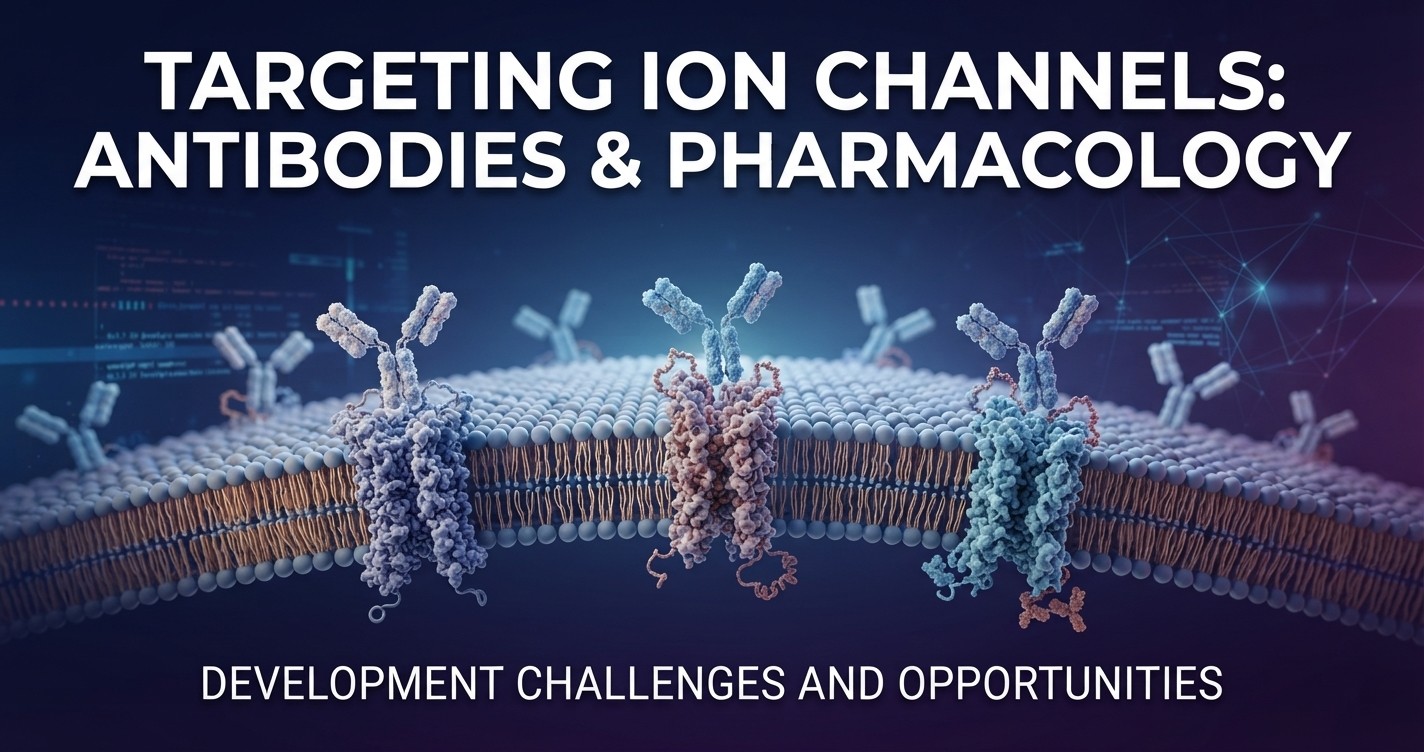 Ion channels as therapeutic antibody targets: development challenges and opportunitiesRead more ...
 -
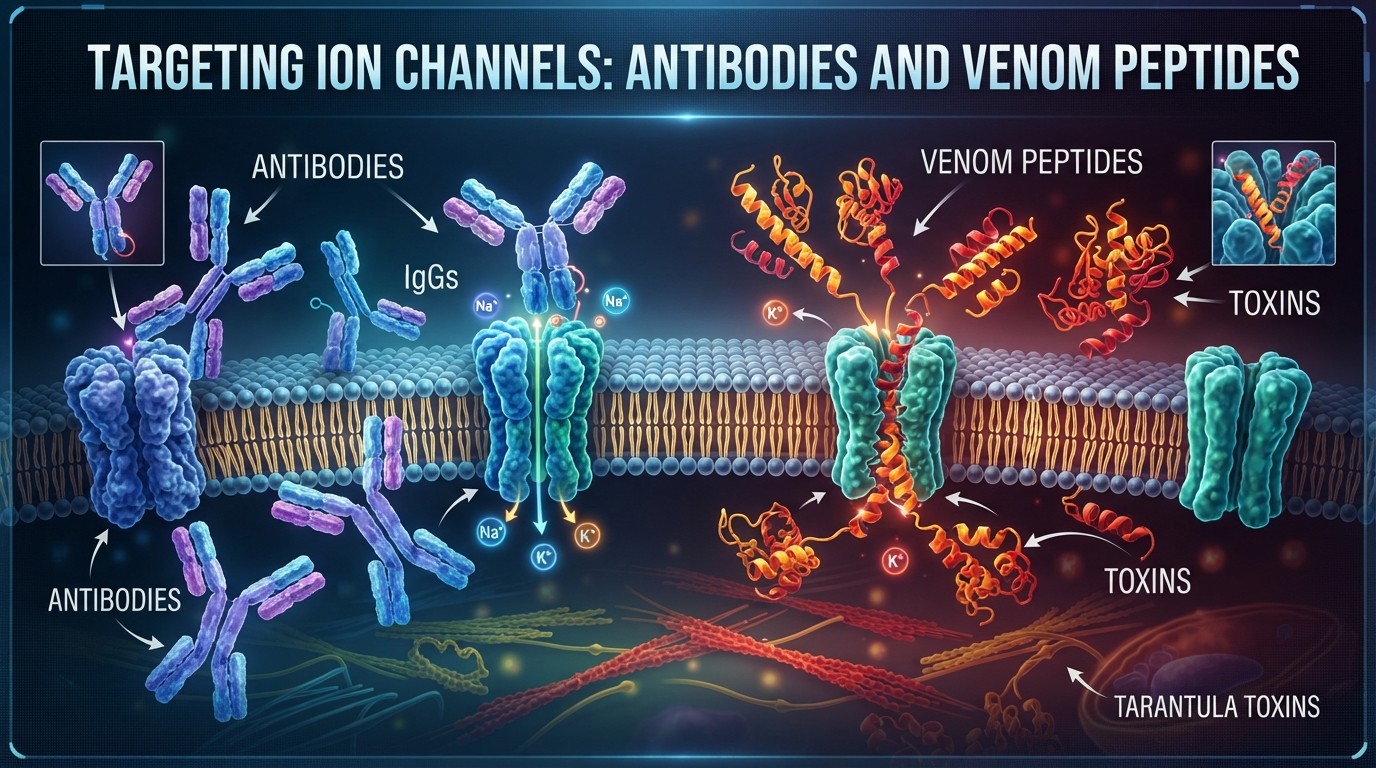 Antibodies and Venom Peptides: New Tools to Target Ion ChannelsRead more ...
Ion channels play fundamental roles in both excitable and non-excitable tissues, making them attractive molecular...
-
 RNA ELISA Kits: Laboratory Principles, Workflow Innovations, and Analytical ApplicationsRead more ...
Explore the comprehensive technical framework of RNA ELISA kits, detailing modern innovations in sensitivity,...
-
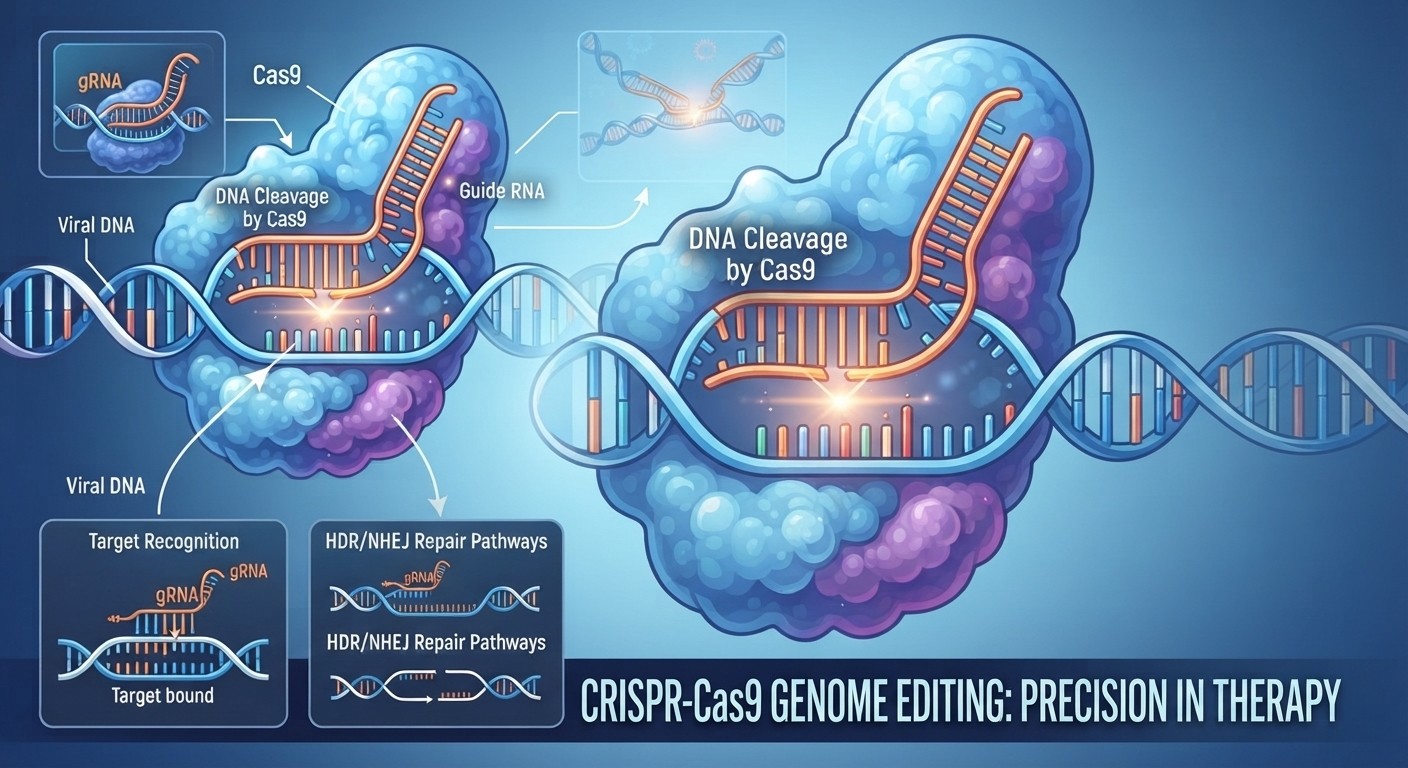 Translational HIV Therapy: Overcoming Resistance via Gene KnockoutRead more ...
Explore advanced translational research on overcoming viral escape mutations, targeting CCR5 host receptors, and...
-
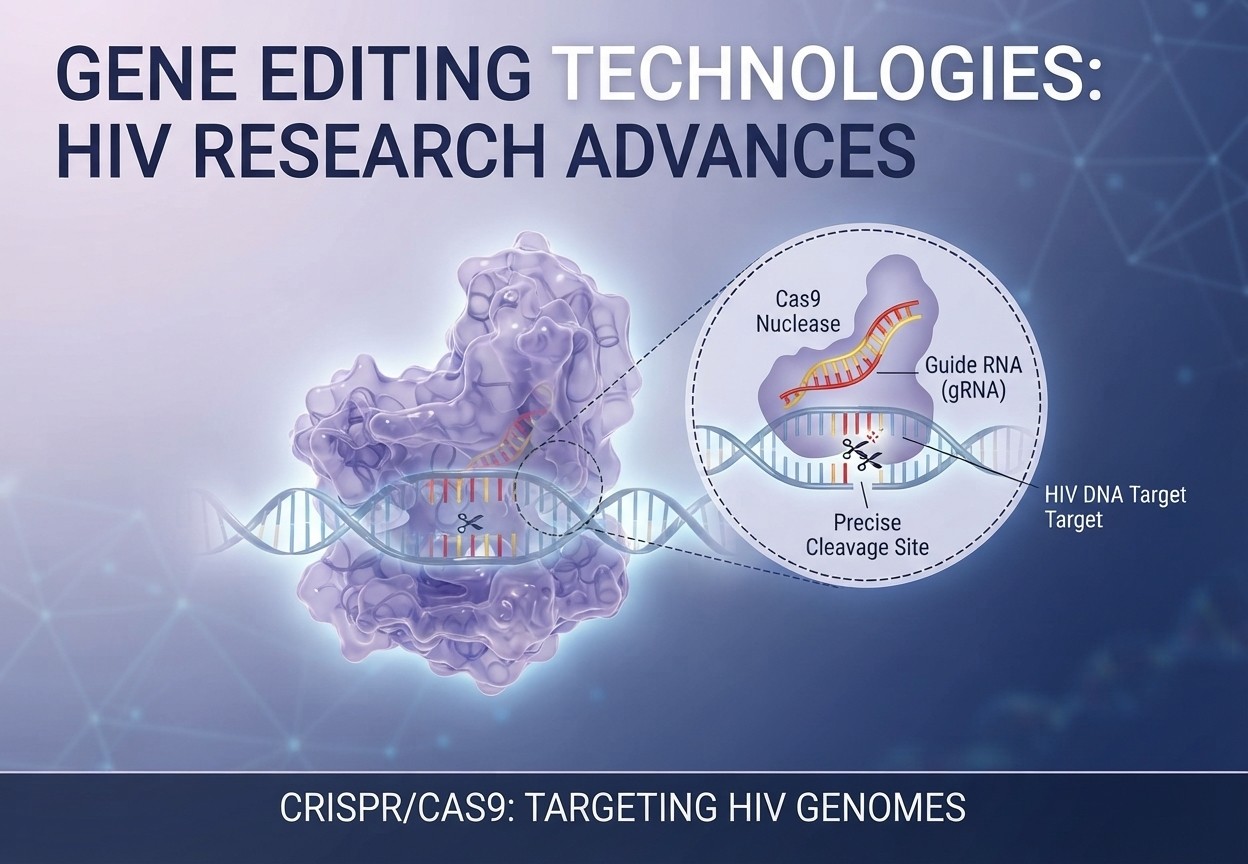 Gene Editing Technologies in HIV Research: Mechanisms & ApplicationsRead more ...
Discover how CRISPR/Cas9 and molecular gene editing tools are utilized in HIV research to target viral DNA, suppress...
Popular posts
-
RNA ELISA Kits: Laboratory Principles, Workflow Innovations, and Analytical ApplicationsExplore the comprehensive technical framework of RNA ELISA kits, detailing modern innovations in sensitivity,...Read more ...
-
Ion channels as therapeutic antibody targets: development challenges and opportunitiesComprehensive technical exploration of the challenges in targeting ion channels with antibodies, their structural...Read more ...
-
Antibodies and Venom Peptides: New Tools to Target Ion ChannelsIon channels play fundamental roles in both excitable and non-excitable tissues, making them attractive molecular...Read more ...
-
Translational HIV Therapy: Overcoming Resistance via Gene KnockoutExplore advanced translational research on overcoming viral escape mutations, targeting CCR5 host receptors, and...Read more ...
-
Gene Editing Technologies in HIV Research: Mechanisms & ApplicationsDiscover how CRISPR/Cas9 and molecular gene editing tools are utilized in HIV research to target viral DNA, suppress...Read more ...
Featured posts
-
Ion channels as therapeutic antibody targets: development challenges and opportunitiesComprehensive technical exploration of the challenges in targeting ion channels with antibodies, their structural...Read more ...
-
Antibodies and Venom Peptides: New Tools to Target Ion ChannelsIon channels play fundamental roles in both excitable and non-excitable tissues, making them attractive molecular...Read more ...
-
RNA ELISA Kits: Laboratory Principles, Workflow Innovations, and Analytical ApplicationsExplore the comprehensive technical framework of RNA ELISA kits, detailing modern innovations in sensitivity,...Read more ...
-
Translational HIV Therapy: Overcoming Resistance via Gene KnockoutExplore advanced translational research on overcoming viral escape mutations, targeting CCR5 host receptors, and...Read more ...
-
Gene Editing Technologies in HIV Research: Mechanisms & ApplicationsDiscover how CRISPR/Cas9 and molecular gene editing tools are utilized in HIV research to target viral DNA, suppress...Read more ...
Translational HIV Therapy: Overcoming Resistance via Gene Knockout
Translational Approaches in HIV Therapy: Overcoming Resistance via Gene Knockout
While early laboratory models demonstrated the capacity of molecular tools to cleave viral genomes, recent translational research highlights significant hurdles, notably viral escape mutations. Advancing beyond standard viral targeting, contemporary studies focus on host-directed cellular modifications and engineered nuclease platforms to establish durable cellular resistance against HIV-1.
1. Viral Evasion and Cleavage Site Resistance
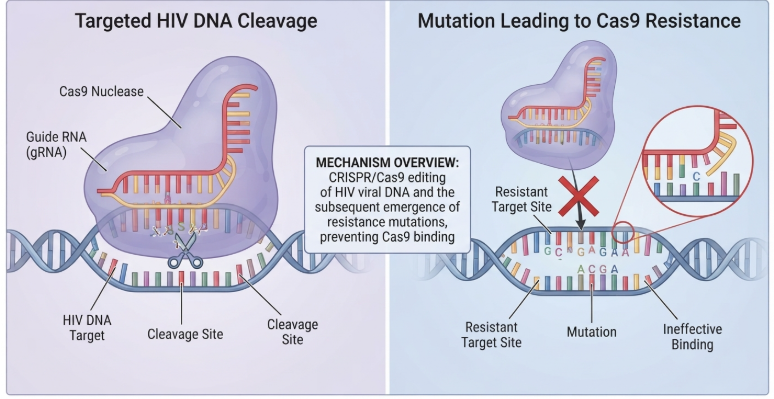
When guide RNAs direct the Cas9 endonuclease to essential viral genes or Long Terminal Repeats (LTRs), it significantly curtails viral production in models like human pluripotent stem cells and CD4+ T-cell lines. However, prolonged monitoring reveals a major limitation: HIV readily develops resistance mutations clustered directly at the cleavage junction. These localized mutations alter the target sequence, preventing Cas9 binding and rendering subsequent molecular attacks ineffective.

Figure 1: Diagram showing CRISPR/Cas9 cleavage of HIV DNA and the emergence of resistance mutations at the target site.
2. Host-Directed Defense: CCR5 Ablation in Stem Cells
To bypass viral evolution and resistance, researchers shifted focus toward host co-receptors. Chemokine Receptor Type 5 (CCR5) is essential for R5-tropic strains of HIV to gain entry into T cells. By using customized vectors to disrupt the CCR5 gene in CD34+ hematopoietic stem and progenitor cells, laboratories have successfully generated cell clones that block viral entry while retaining full multi-lineage differentiation capabilities and minimizing unintended off-target mutations.
3. Clinical Evaluation of Zinc-Finger Nucleases (ZFNs)
The strategy to disable CCR5 has transitioned into early-stage clinical medical research through the use of Zinc-Finger Nucleases (ZFNs). By fusing custom DNA-binding domains with the FokI restriction enzyme nuclease domain, ZFN agents (such as SB-728-T evaluated in clinical trials like NCT01543152) modify autologous T cells. This ex vivo genetic modification aims to permanently eliminate the entry pathway for HIV and restore immune cell functionality in hosts.
Targeted Reagents for Translational Research
- Human Chemokine Receptor Type 5 (CCR5), ELISA Kit (Catalog #MBS2020083)
- CRISPR/Cas9, Monoclonal Antibody (Catalog #MBS375383)
- S. Pyogenes CRISPR-Associated Protein-9 Nuclease, Recombinant Protein (Catalog #MBS140642)
- HIV (Human Immunodeficiency Virus) ELISA Kit (Catalog #MBS766122)
- HIV-1 p24, Monoclonal Antibody (Catalog #MBS8241470)
References
- Mojica FJ M, Rodriguez-Valera, F. The discovery of CRISPR in archaea and bacteria. 2016. FEBS J, 283: 3162-3169. [PubMed/NCBI]
- Tschaharganeh DF, Lowe SW, Garipp RJ, Livshits G. Using CRISPR/Cas to study gene function and model disease in vivo. 2016. FEBS J, 283: 3194-3203. [PubMed/NCBI]
- Liang C, Wainberg MA, Das, AT, Berkhout B. 2016. CRISPR/Cas9: a double-edged sword when used to combat HIV infection. Retrovirology, 13:37. [PubMed/NCBI]
- Savic N, Schwank G. 2016. Advances in therapeutic CRISPR/Cas9 genome editing. Translational Res, 168:15-21. [PubMed/NCBI]
Posted in:
Gene Pathway Analysis1
Leave a comment
Log in to post comments