
Comprehensive technical exploration of the challenges in targeting ion channels with antibodies, their structural...
Blog categories
Blog Search
Latest posts
View all →-
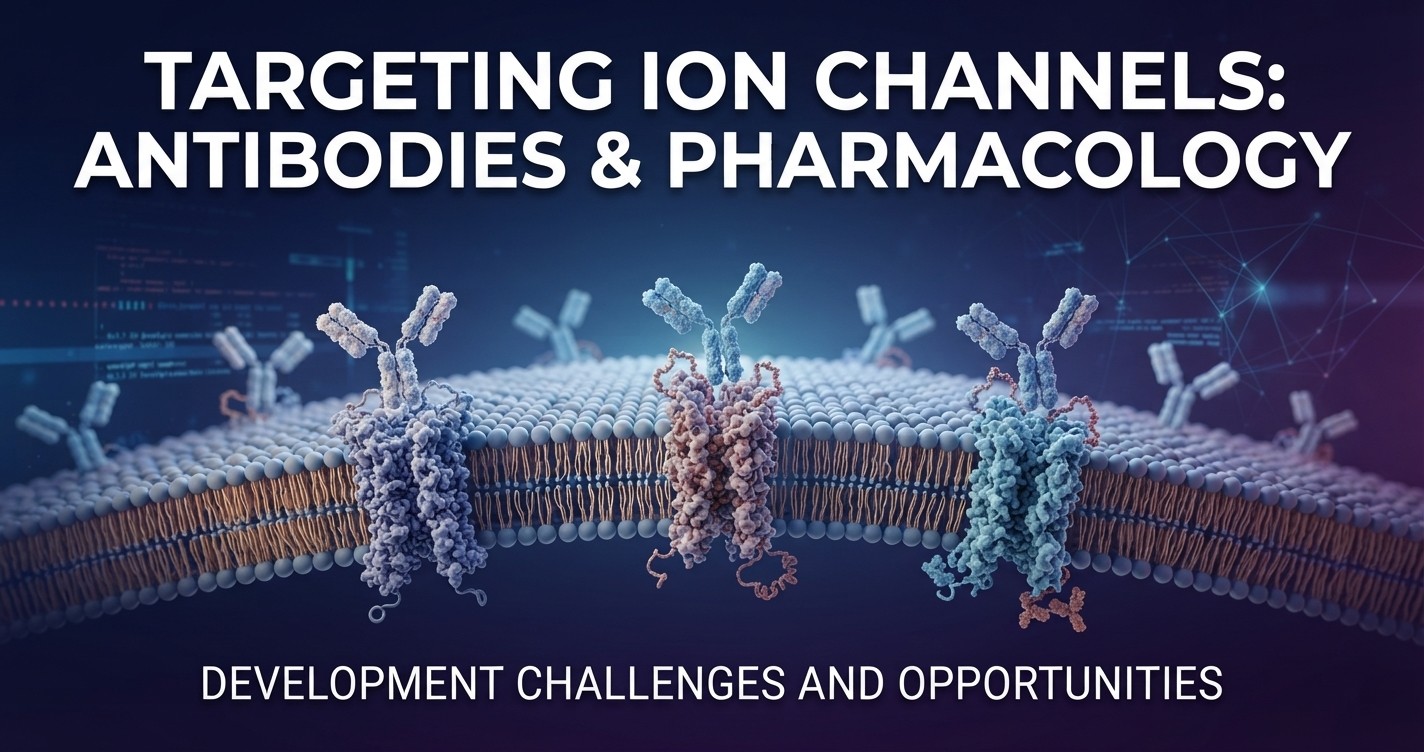 Ion channels as therapeutic antibody targets: development challenges and opportunitiesRead more ...
 -
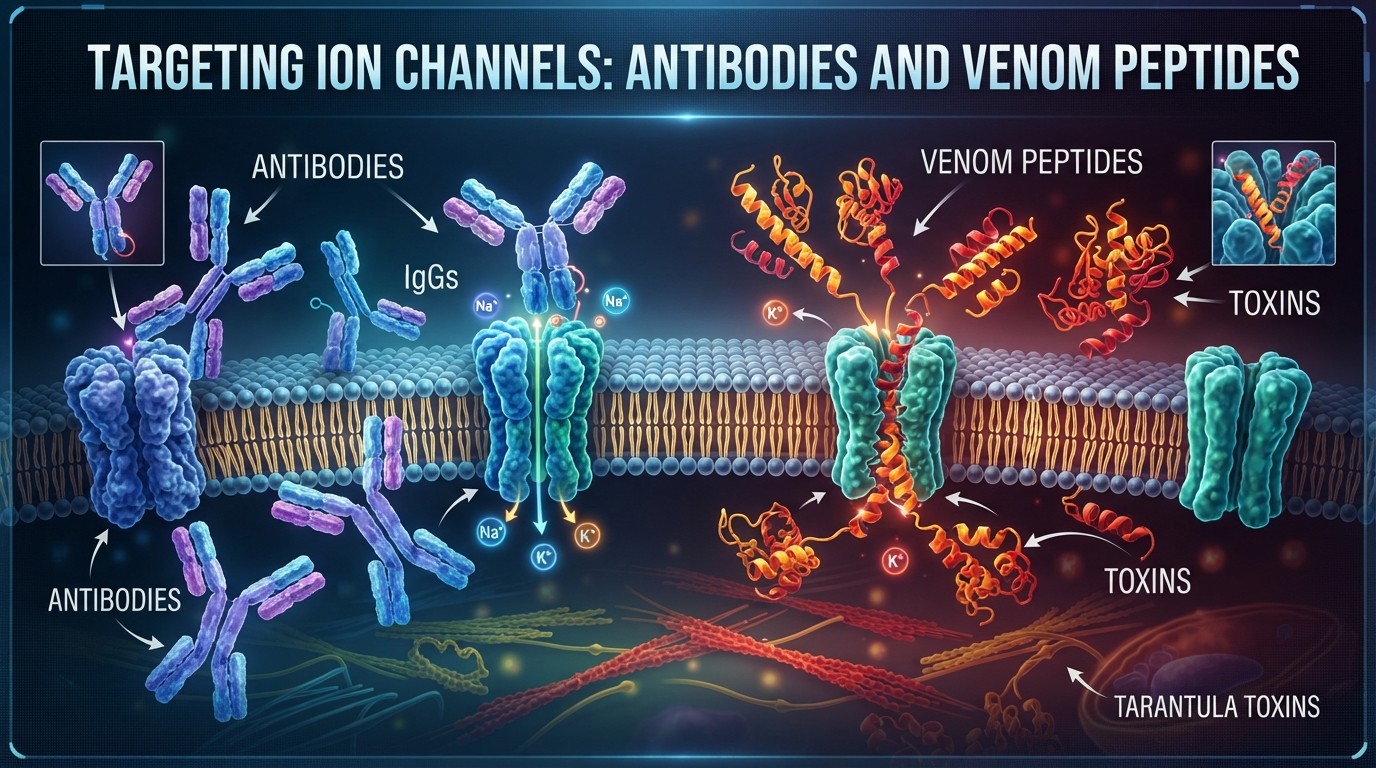 Antibodies and Venom Peptides: New Tools to Target Ion ChannelsRead more ...
Ion channels play fundamental roles in both excitable and non-excitable tissues, making them attractive molecular...
-
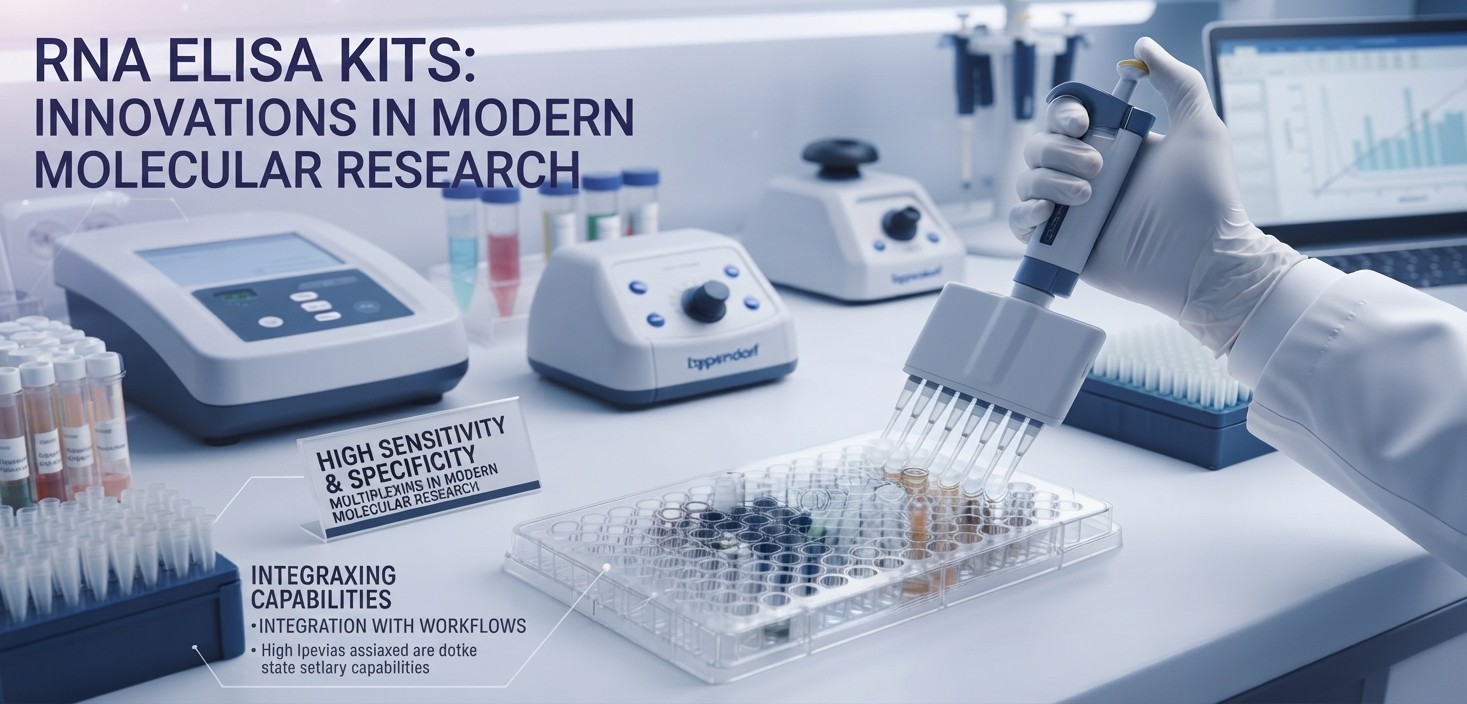 RNA ELISA Kits: Laboratory Principles, Workflow Innovations, and Analytical ApplicationsRead more ...
Explore the comprehensive technical framework of RNA ELISA kits, detailing modern innovations in sensitivity,...
-
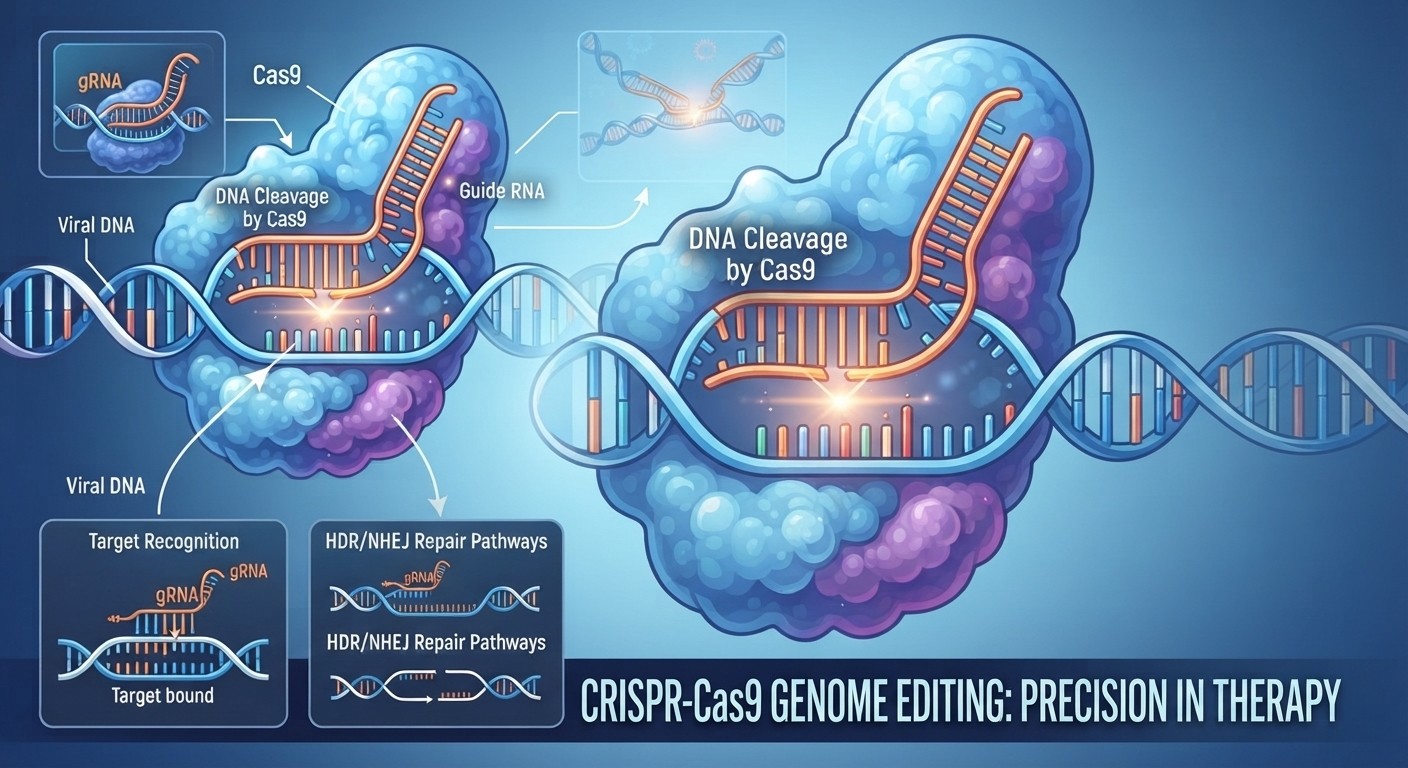 Translational HIV Therapy: Overcoming Resistance via Gene KnockoutRead more ...
Explore advanced translational research on overcoming viral escape mutations, targeting CCR5 host receptors, and...
-
 Gene Editing Technologies in HIV Research: Mechanisms & ApplicationsRead more ...
Discover how CRISPR/Cas9 and molecular gene editing tools are utilized in HIV research to target viral DNA, suppress...
Popular posts
-
RNA ELISA Kits: Laboratory Principles, Workflow Innovations, and Analytical ApplicationsExplore the comprehensive technical framework of RNA ELISA kits, detailing modern innovations in sensitivity,...Read more ...
-
Ion channels as therapeutic antibody targets: development challenges and opportunitiesComprehensive technical exploration of the challenges in targeting ion channels with antibodies, their structural...Read more ...
-
Antibodies and Venom Peptides: New Tools to Target Ion ChannelsIon channels play fundamental roles in both excitable and non-excitable tissues, making them attractive molecular...Read more ...
-
 Understanding Polyclonal Antibodies: A Simple GuideDiscover what polyclonal antibodies are, how they are produced in the laboratory, their main applications, and key...Read more ...
 -
Gene Editing Technologies in HIV Research: Mechanisms & ApplicationsDiscover how CRISPR/Cas9 and molecular gene editing tools are utilized in HIV research to target viral DNA, suppress...Read more ...
Featured posts
-
Ion channels as therapeutic antibody targets: development challenges and opportunitiesComprehensive technical exploration of the challenges in targeting ion channels with antibodies, their structural...Read more ...
-
Antibodies and Venom Peptides: New Tools to Target Ion ChannelsIon channels play fundamental roles in both excitable and non-excitable tissues, making them attractive molecular...Read more ...
-
RNA ELISA Kits: Laboratory Principles, Workflow Innovations, and Analytical ApplicationsExplore the comprehensive technical framework of RNA ELISA kits, detailing modern innovations in sensitivity,...Read more ...
-
Translational HIV Therapy: Overcoming Resistance via Gene KnockoutExplore advanced translational research on overcoming viral escape mutations, targeting CCR5 host receptors, and...Read more ...
-
Gene Editing Technologies in HIV Research: Mechanisms & ApplicationsDiscover how CRISPR/Cas9 and molecular gene editing tools are utilized in HIV research to target viral DNA, suppress...Read more ...
Understanding Polyclonal Antibodies: A Simple Guide
Understanding Polyclonal Antibodies: A Simple Guide
Polyclonal antibodies (often called pAbs) are a mix of different antibodies produced by the immune system. Unlike monoclonal antibodies—which all come from an identical cell line and target a single spot—polyclonal antibodies can recognize and bind to multiple different areas (called epitopes) on a target substance.
You can learn more about the basic biology of antibodies on Wikipedia's Antibody page.
How Are Polyclonal Antibodies Made?
- Immunization: To produce them, a host animal (such as a rabbit, goat, or mouse) is injected with an antigen to trigger its natural immune defense.
- Collection: After a few weeks, blood is drawn from the animal. The liquid portion (serum) contains the harvested antibodies.
- Purification: The serum is often processed to filter out unwanted proteins and isolate the antibodies for better accuracy.
For deeper scientific literature regarding antibody production methods, you can explore resources on ScienceDirect or search peer-reviewed papers via PubMed.

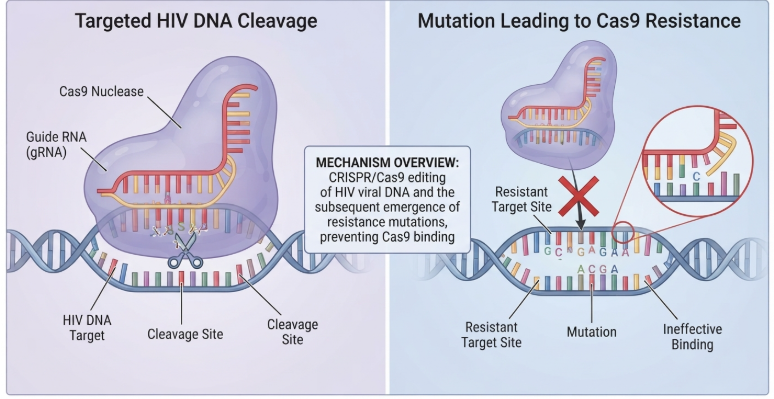
Figure 1: Illustration showing how polyclonal antibodies target and attach to several different binding sites (epitopes) on an antigen.
Why Use Polyclonal Antibodies? (Advantages)
- Broader Detection: Because they attach to multiple sites on a target, they can still detect proteins even if the protein's structure shifts slightly.
- Higher Signal Strength: They frequently yield clearer, stronger results in common lab experiments like Western blots, ELISAs, and immunohistochemistry.
- Flexibility: They handle slight variations in laboratory conditions (like pH shifts or buffer changes) quite well.
Common Applications in the Lab
- Diagnostic Assays: Frequently used in tests to spot specific proteins or pathogens, including lateral flow tests.
- Research Workflows: Essential for standard laboratory tasks like identifying target proteins in tissue samples or cell extracts.

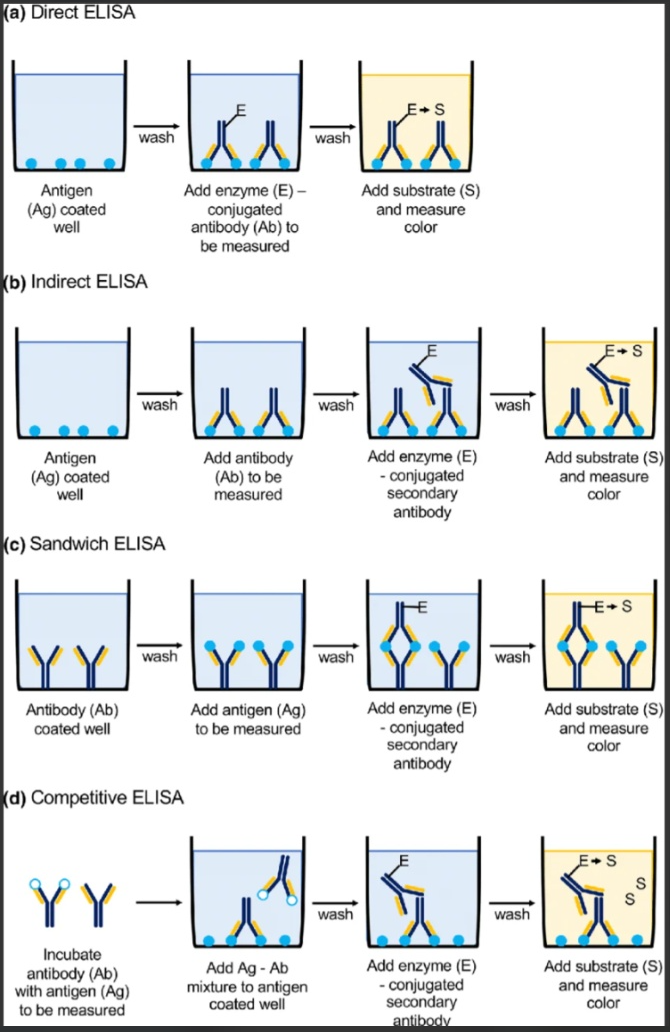
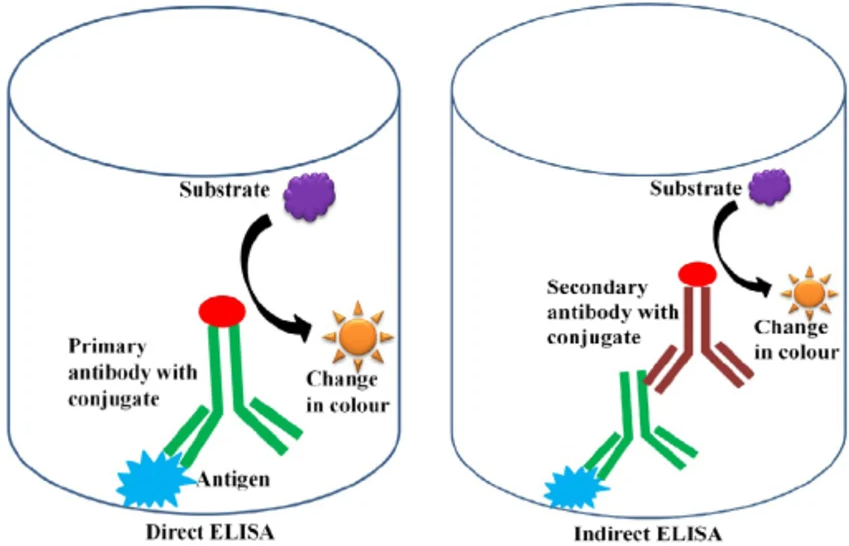
Figure 2: Step-by-step workflow of different ELISA formats (Direct, Indirect, Sandwich, and Competitive). Source: ResearchGate Review on Immunoassays.
Limitations to Keep in Mind
- Batch Variation: Because they are grown in animals, different batches can show slight variations in performance.
- Cross-Reactivity: They may occasionally bind unintentionally to similar non-target proteins, causing background noise in tests.
- Supply Limits: Production relies on the life cycle and health of the animals, which can restrict long-term availability.
Modern Improvements
To overcome traditional limits, scientists now use techniques like affinity purification (to remove non-specific binders) and are developing recombinant polyclonal antibodies produced via cell lines for greater consistency.
Important Disclaimer
Research Use Only: The information provided here is for educational purposes only. All products associated with these topics are intended strictly for laboratory research and are not meant for human or veterinary diagnostic or therapeutic applications.
Always consult certified professionals and ensure compliance with local regulatory guidelines before starting any laboratory work.
Research Use Only: The information provided here is for educational purposes only. All products associated with these topics are intended strictly for laboratory research and are not meant for human or veterinary diagnostic or therapeutic applications.
Always consult certified professionals and ensure compliance with local regulatory guidelines before starting any laboratory work.
Posted in:
Sample category1
Leave a comment
Log in to post comments