
Comprehensive technical exploration of the challenges in targeting ion channels with antibodies, their structural...
Blog categories
Blog Search
Latest posts
View all →-
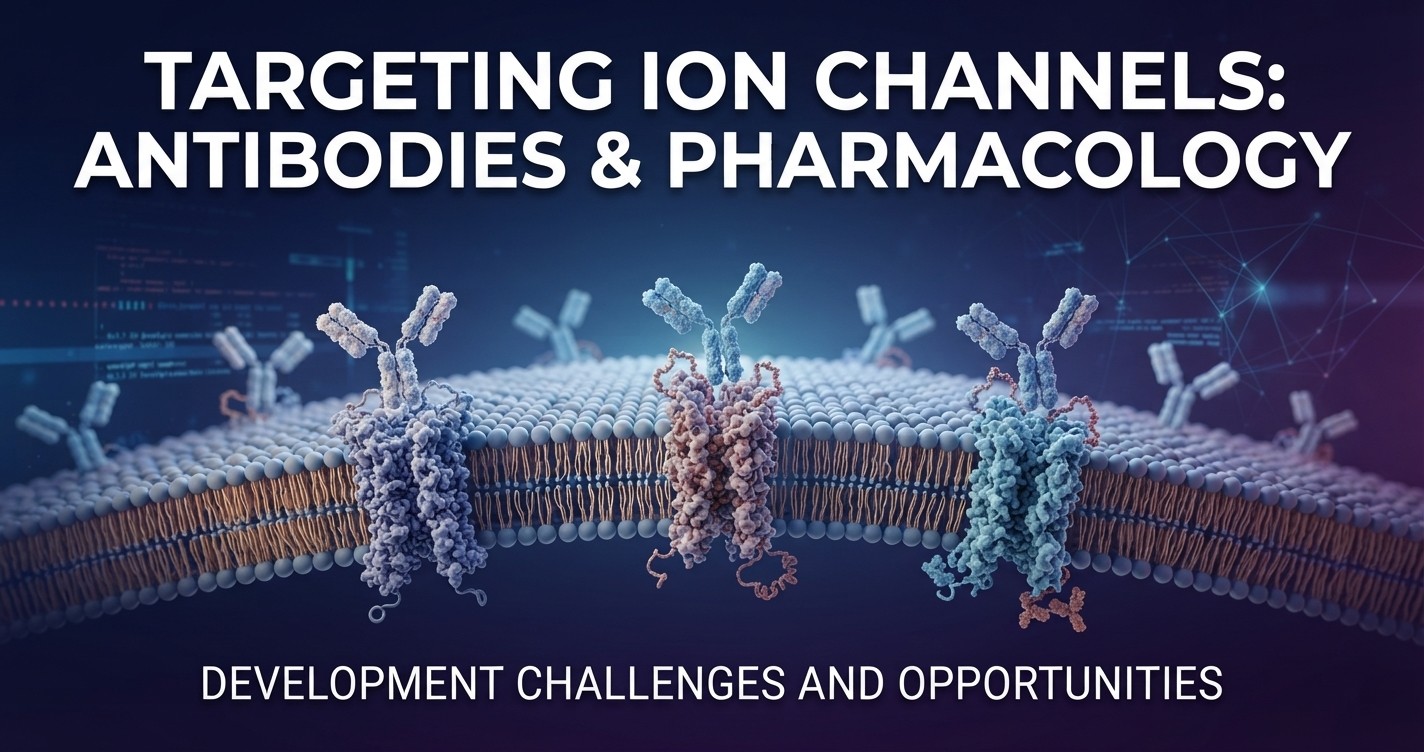 Ion channels as therapeutic antibody targets: development challenges and opportunitiesRead more ...
 -
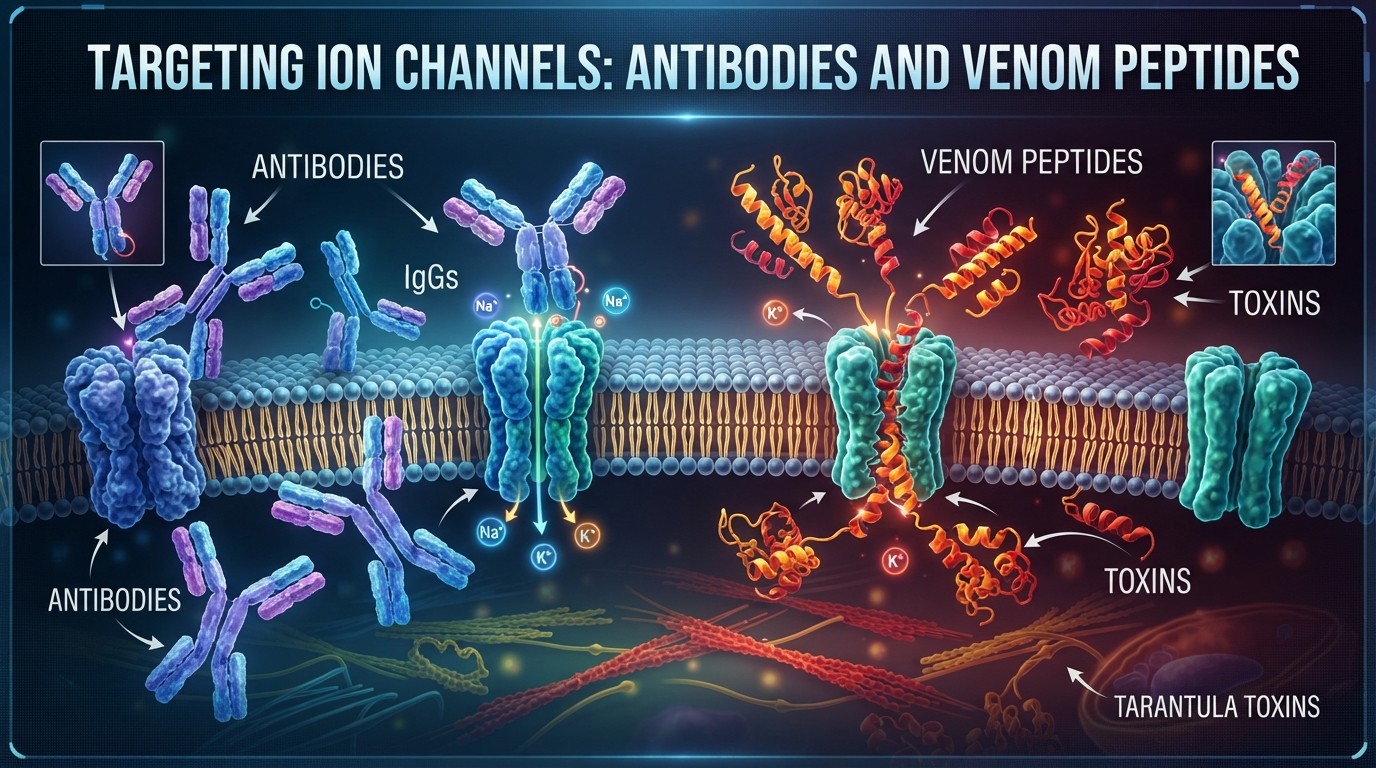 Antibodies and Venom Peptides: New Tools to Target Ion ChannelsRead more ...
Ion channels play fundamental roles in both excitable and non-excitable tissues, making them attractive molecular...
-
 RNA ELISA Kits: Laboratory Principles, Workflow Innovations, and Analytical ApplicationsRead more ...
Explore the comprehensive technical framework of RNA ELISA kits, detailing modern innovations in sensitivity,...
-
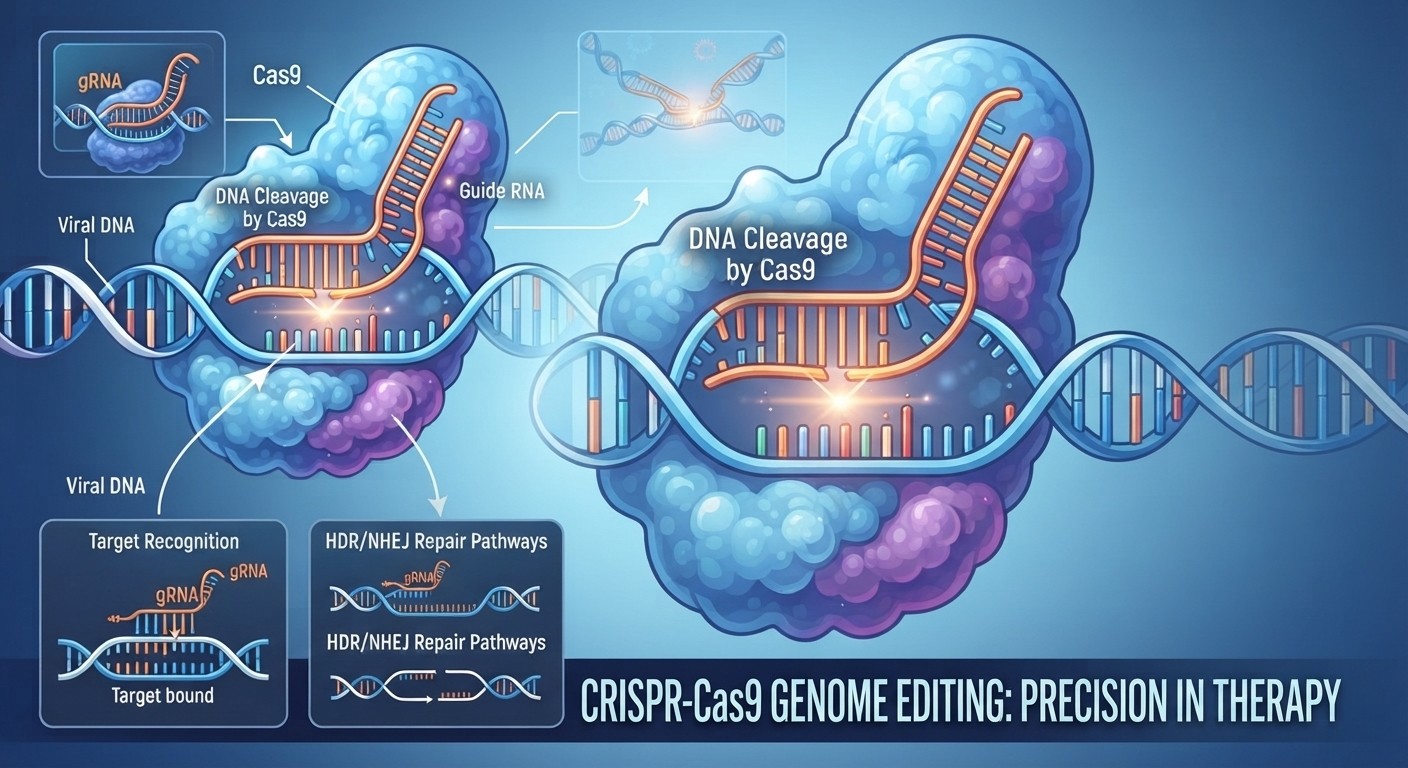 Translational HIV Therapy: Overcoming Resistance via Gene KnockoutRead more ...
Explore advanced translational research on overcoming viral escape mutations, targeting CCR5 host receptors, and...
-
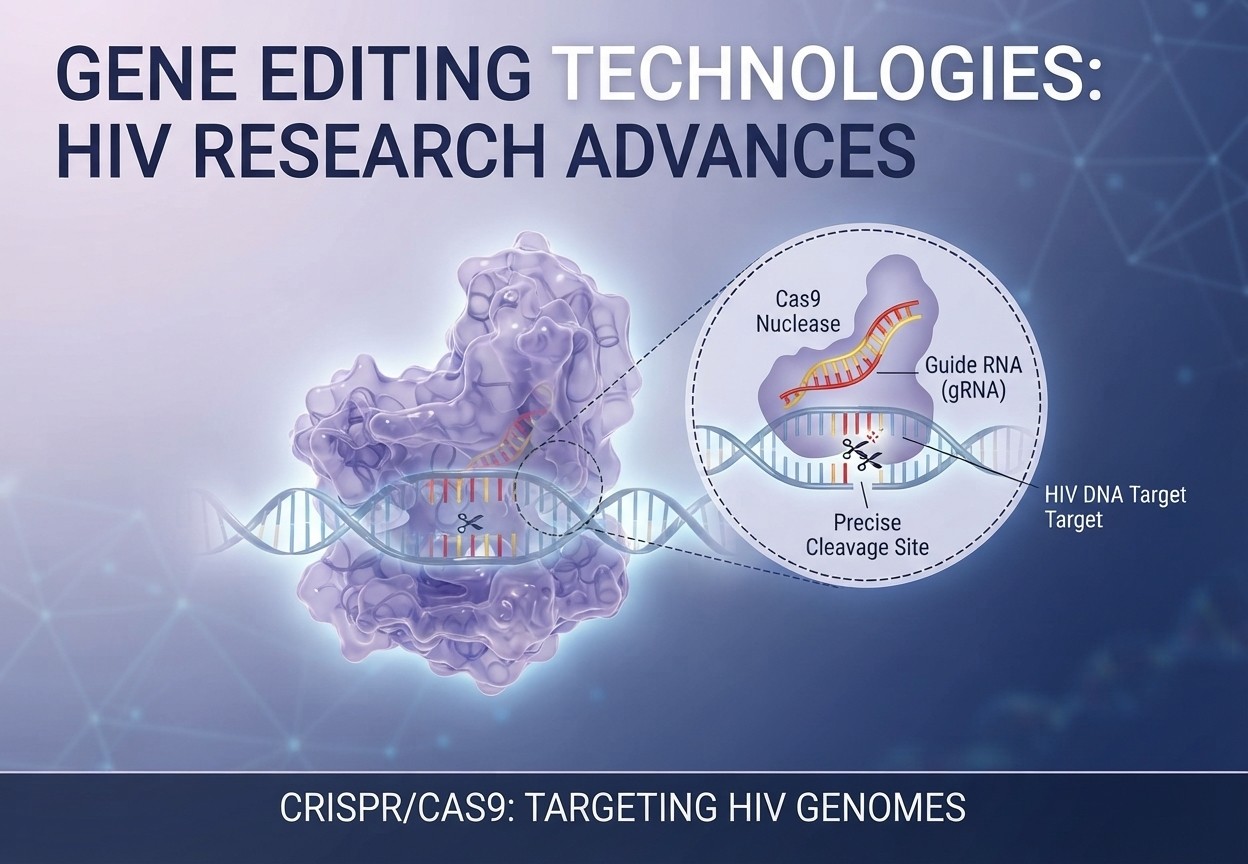 Gene Editing Technologies in HIV Research: Mechanisms & ApplicationsRead more ...
Discover how CRISPR/Cas9 and molecular gene editing tools are utilized in HIV research to target viral DNA, suppress...
Popular posts
-
RNA ELISA Kits: Laboratory Principles, Workflow Innovations, and Analytical ApplicationsExplore the comprehensive technical framework of RNA ELISA kits, detailing modern innovations in sensitivity,...Read more ...
-
Ion channels as therapeutic antibody targets: development challenges and opportunitiesComprehensive technical exploration of the challenges in targeting ion channels with antibodies, their structural...Read more ...
-
Antibodies and Venom Peptides: New Tools to Target Ion ChannelsIon channels play fundamental roles in both excitable and non-excitable tissues, making them attractive molecular...Read more ...
-
Translational HIV Therapy: Overcoming Resistance via Gene KnockoutExplore advanced translational research on overcoming viral escape mutations, targeting CCR5 host receptors, and...Read more ...
-
 Understanding Polyclonal Antibodies: A Simple GuideDiscover what polyclonal antibodies are, how they are produced in the laboratory, their main applications, and key...Read more ...
Featured posts
-
Ion channels as therapeutic antibody targets: development challenges and opportunitiesComprehensive technical exploration of the challenges in targeting ion channels with antibodies, their structural...Read more ...
-
Antibodies and Venom Peptides: New Tools to Target Ion ChannelsIon channels play fundamental roles in both excitable and non-excitable tissues, making them attractive molecular...Read more ...
-
RNA ELISA Kits: Laboratory Principles, Workflow Innovations, and Analytical ApplicationsExplore the comprehensive technical framework of RNA ELISA kits, detailing modern innovations in sensitivity,...Read more ...
-
Translational HIV Therapy: Overcoming Resistance via Gene KnockoutExplore advanced translational research on overcoming viral escape mutations, targeting CCR5 host receptors, and...Read more ...
-
Gene Editing Technologies in HIV Research: Mechanisms & ApplicationsDiscover how CRISPR/Cas9 and molecular gene editing tools are utilized in HIV research to target viral DNA, suppress...Read more ...
RNA ELISA Kits: Laboratory Principles, Workflow Innovations, and Analytical Applications
RNA detection and quantification are critical components of molecular biology research. While techniques such as quantitative PCR (qPCR) are widely used, enzyme-linked immunosorbent assay (ELISA) kits for RNA detection have emerged as a powerful tool. Recent innovations in RNA ELISA kits have further expanded their applications, making them indispensable in modern research.
For more information on RNA analysis techniques, refer to resources from the National Institutes of Health (NIH) and the National Center for Biotechnology Information (NCBI).

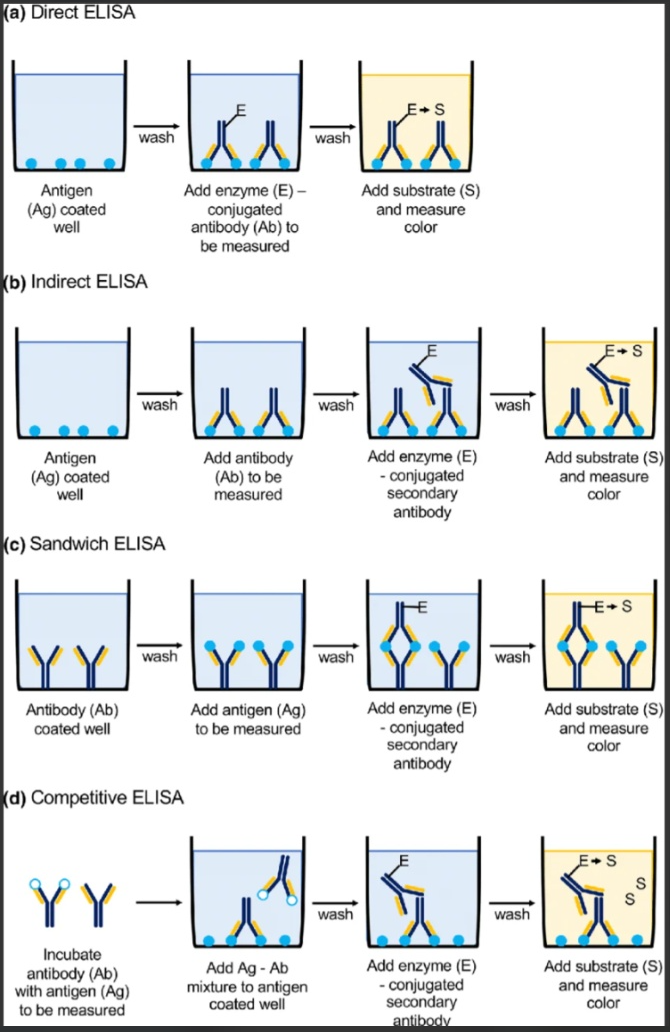
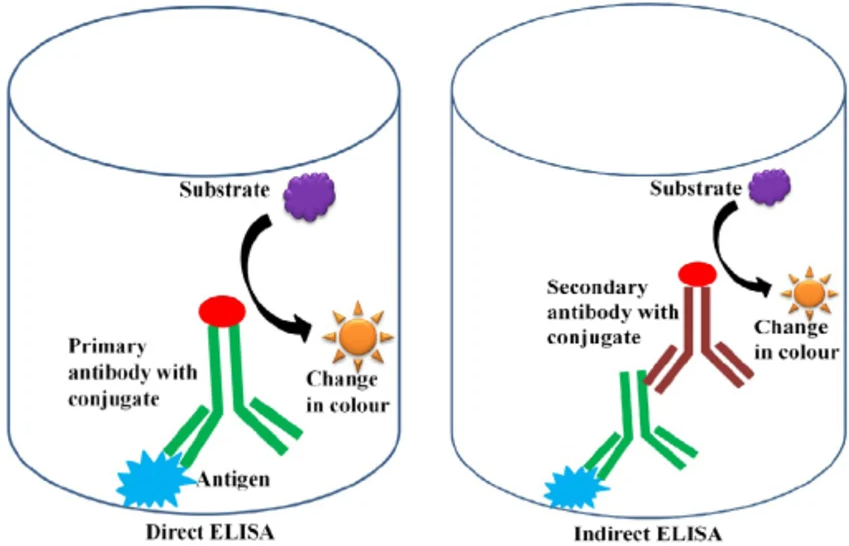
Principle of the ELISA assay. Source: Application of Molecular and Serological Diagnostics in Veterinary Parasitology
Innovations in RNA ELISA Kits
High Sensitivity and Specificity
Modern RNA ELISA kits are designed with enhanced sensitivity and specificity, allowing for the detection of low-abundance RNA molecules through the use of highly specific antibodies.
Further reading: Detailed protocols on RNA detection can be found at the University of California, Berkeley and Johns Hopkins University.
Multiplexing and Integration
Latest kits offer multiplexing capabilities for simultaneous detection of multiple targets. Furthermore, integration with RNA sequencing and qPCR allows for a comprehensive analysis.
Resources: See Stanford University and Harvard Medical School for advanced methods.
Applications of RNA ELISA Kits
- Viral RNA Detection: Critical for diagnostics and monitoring antiviral efficacy. CDC and WHO provide guidance.
- Gene Expression Analysis: Essential for understanding cellular responses. Research resources available at University of Michigan and UC Davis.
- Cancer Biomarker Discovery: Quantification of RNA species associated with disease progression, supported by Mayo Clinic and Duke University.
- Non-Coding RNA Studies: Specialized research frameworks from The Cold Spring Harbor Laboratory and USC Keck School of Medicine.
Conclusion
RNA ELISA kits provide a reliable, efficient method for modern research. For comprehensive technical details on the underlying methodology, you may refer to publications such as the Application of Molecular and Serological Diagnostics in Veterinary Parasitology.
Important Disclaimer
- Research Use Only: Products are strictly for laboratory research and not for human or veterinary diagnostic use.
- Not Medical Advice: Consult professionals for clinical decisions.
Leave a comment
Log in to post comments